Saigon River tunnel to be closed for fire drill this weekend
HCMC – Vehicles have been banned from entering the Saigon River tunnel, which connects Thu Duc City with
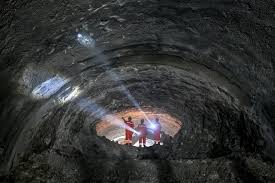
On July 24, 2026, China marked a significant milestone by completing the construction of the Caiyuanba high-speed rail tunnel, the first of its kind to run beneath the Yangtze River. This nearly 12 km long tunnel connects two districts in Chongqing and is a crucial part of the Chongqing-Xiamen high-speed rail project.
The construction of the Caiyuanba tunnel faced numerous geological and technical challenges, particularly due to the high water pressure and complex geological conditions encountered under the river. The China Railway Group utilized a specialized tunnel boring machine named Yangtze, designed to withstand significant water pressure and capable of drilling through various rock layers beneath the riverbed.
Once operational, the Caiyuanba tunnel will serve as a vital link in the Chongqing-Xiamen high-speed rail corridor, which aims to connect southwestern China's inland regions with the eastern coastal areas. This corridor is one of 16 strategic high-speed rail routes that Beijing plans to complete by 2030 to enhance connectivity among major urban clusters across the country.
The high-speed rail network is organized into an “8 vertical, 8 horizontal” model, stretching from Gansu province in the northwest to Hong Kong and Shenzhen in the south, and extending to Harbin in the northeast. As of March 2026, approximately 84% of the construction volume for this expansive network has been completed.
During a press conference on July 21, Wang Qiming, Deputy Director of the National Railway Administration of China, announced that the country will continue to upgrade both the scale and capacity of its railway system over the next five years. He emphasized the acceleration of the high-speed rail network's development to improve connectivity between key economic regions and enhance travel between major urban centers.
By the end of last year, China's high-speed rail network had surpassed 50,000 km in length, with plans to expand this figure to approximately 60,000 km within the next five years. To support this development, China is increasingly undertaking projects involving underwater tunnels for railways, including a river tunnel connecting Chongming Island (Shanghai) with Taizhou in Jiangsu province, expected to be completed this year.
Additionally, in Guangdong province, construction is underway for the world’s deepest underwater high-speed rail tunnel beneath the Zhujiang River, part of the Shenzhen-Jiangmen line, which will reach depths of up to 116 meters below water level upon completion.