Mystery Plane Wreck Discovered After 74 Years
The wreckage of a Pan Am plane that vanished 74 years ago has been found in the Atlantic Ocean, leading to
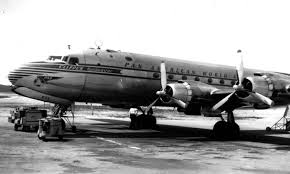
The wreckage of the Pan Am aircraft, known as the Clipper Endeavor, has been located after it vanished 74 years ago, resulting in the deaths of 52 individuals. This discovery was made by the Air/Sea Heritage Foundation in collaboration with the Discovery Channel's "Expedition Unknown" program, off the northern coast of Puerto Rico.
The plane, a Douglas DC-4, crashed shortly after taking off from Puerto Rico on April 11, 1952, with 64 passengers and five crew members on board. Only 17 people were rescued, while the rest were lost at sea. Investigators believe that a lack of safety instructions contributed to the high casualty rate during the incident.
Discovery Channel announced on July 21 that a remotely operated underwater vehicle was used to pinpoint the exact location of the wreck. The aircraft was discovered broken in two at a depth of approximately 610 meters during the first sweep on June 2. Subsequent imaging confirmed the identification of the plane, with the Pan Am logo and the aircraft's name still visible.
Russ Matthews, president of the Air/Sea Heritage Foundation, was inspired to search for the wreck after reading about a luggage tag from the flight that washed ashore in Florida in 2019. He spent years sifting through archives from Pan Am and the Coast Guard to find clues about the crash site. Tony Romeo, CEO of the underwater exploration company Deep Sea Vision, joined the search when one of his ships, equipped with advanced sonar technology, passed through the area.
The team combined their research with weather data from the time of the accident to create a search map covering an area of over 34 square kilometers. The wreck site is being treated as a gravesite, and authorities have no plans to recover the aircraft or disturb the site. The Air/Sea Heritage Foundation is working with the Puerto Rican government to enhance protection for the wreckage area.
According to the Pan Am Historical Foundation, the aircraft experienced a malfunction in both right engines shortly after takeoff, forcing the pilot to attempt an emergency landing in the ocean just minutes later. Although the plane was equipped with life rafts and personal flotation devices, chaos ensued partly due to the lack of safety procedures, language barriers, and insufficient coordination during the evacuation. The plane sank in less than three minutes, and despite the rapid response from the Coast Guard and U.S. Air Force, 52 people lost their lives.
A report from the 1952 accident led to recommendations for changes in regulations to ensure passenger safety on flights over water. These recommendations included pre-flight safety briefings to inform passengers about the location and use of life vests, life rafts, and emergency exits.