Gold Prices Rise in Vietnam: July 10 Update
Gold prices in Vietnam have seen an increase today, July 10, with SJC gold and various types of gold rings
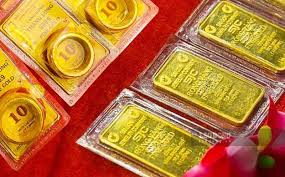
On July 21, 2026, the global gold market witnessed a rise in prices compared to the previous day. However, many domestic gold trading companies in Vietnam have simultaneously adjusted their prices downwards for SJC gold bars and gold rings.
As of 9:20 AM, Phu Quy Gold and Gemstone Group listed SJC gold prices at 142.5-146 million VND per tael (buy-sell), reflecting a decrease of 1.2 million VND per tael for both buying and selling. The difference between buying and selling prices stood at 3.5 million VND per tael. Similarly, DOJI Group quoted SJC gold at 143-146 million VND per tael, also down by 1.2 million VND per tael. The buying and selling price difference was 3 million VND per tael.
Bao Tin Minh Chau listed SJC gold at 142.6-146.6 million VND per tael, which is an increase of 150,000 VND per tael for both buying and selling, with a price difference of 4 million VND per tael.
In terms of gold rings, Phu Quy Group reported prices at 141.5-145 million VND per tael, down by 1.2 million VND per tael. DOJI Group's prices for gold rings were 142-146 million VND per tael, decreasing by 500,000 VND per tael. Bao Tin Minh Chau's prices for gold rings remained at 142.6-146.6 million VND per tael, with a slight increase of 150,000 VND per tael.
Globally, gold prices were around 4,024.3 USD per ounce, up by 14 USD per ounce at the same time.
The gold market is currently trying to stabilize after a significant sell-off last week, but the outlook for recovery faces several obstacles. Buying activities are helping to maintain gold prices above the 4,000 USD per ounce mark, while rising U.S. bond yields and a stronger U.S. dollar continue to limit upward movement.
Recent U.S. economic data has sent mixed signals. The Consumer Price Index and Producer Price Index have cooled, raising expectations that the Federal Reserve may soon adjust its monetary policy. However, positive retail sales and a decrease in unemployment claims have made the market more cautious about the Fed's potential shift to a looser stance.
Most investors still expect the Fed to maintain interest rates at the July meeting, but the possibility of an increase in September is not entirely ruled out. The yield on 10-year U.S. government bonds has exceeded 4.6%, while the 2-year yield remains above 4.22%. This situation increases the opportunity cost of holding gold, which does not provide interest.
Geopolitical factors continue to support the market. Tensions in the Middle East and the risk of disruptions in transportation through the Strait of Hormuz and the Red Sea keep defensive demand high. However, rising oil prices could also pressure inflation, pushing bond yields and the U.S. dollar higher. Thus, the impact of conflict on gold is occurring in two directions.
In the short term, gold prices are likely to continue fluctuating around the 4,000 USD per ounce mark. Market developments will depend on statements from Fed officials, interest rate expectations for September, the earnings results of major technology companies, and new developments in the Middle East.
Note: The gold price data is compared to the previous day. The information in this article is for reference only and reflects market developments at the time of recording. It is not an investment recommendation. Investors should carefully consider their financial capacity, personal goals, and associated risks before making any buying or selling decisions regarding gold.