Kimi K3: A New Player in Open Source AI
Moonshot AI has unveiled its latest version of the Kimi model, Kimi K3, sparking discussions on China's role
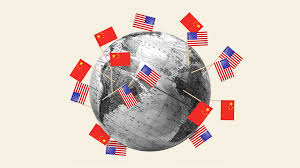
The Trump administration is showing signs it could ban cutting-edge Chinese AI models, a momentous move that could lock in dominance by OpenAI and Anthropic. The rise of the Chinese model Kimi has reignited efforts within the administration to limit foreign open-source models, which are increasingly being adopted by U.S. companies due to their cost-effectiveness and comparable performance to domestic technologies.
Last year, the Commerce Department considered adding multiple Chinese AI labs to its "Entity List," which would effectively cut off U.S. access without a license. Additionally, the National Security Agency and the White House Office of the National Cyber Director contemplated issuing an advisory on the threats posed by Chinese AI labs, discouraging U.S. companies from utilizing their technology.
Efforts to implement an executive order that would restrict U.S. companies from hosting Chinese models unless they could ensure security and liability were also discussed. However, officials concerned about stifling innovation ultimately halted these initiatives.
As the landscape shifts with the emergence of more powerful Chinese technology and increasing cybersecurity fears, the momentum for imposing a ban is gaining traction again. This change in personnel and the growing influence of national security advocates have contributed to this shift.
Interestingly, the administration does not need to impose an outright ban to deter U.S. companies from using Chinese platforms. Instead, it is expected to leverage procurement rules, threats of adding entities to the Entity List, and public pressure campaigns to encourage a shift away from Chinese models.
David Sacks, an outside White House AI adviser, emphasized the critical juncture in AI policy, warning against regulatory capture that could benefit the largest U.S. labs while stifling competition. The ongoing discussions suggest a chilling effect on Chinese open-source technology and the U.S. companies that rely on it.
As Chinese leader Xi Jinping becomes more assertive in the AI race, the pressure mounts for the U.S. industry to respond effectively. The situation underscores the importance of fostering a competitive U.S. open-source ecosystem while addressing security concerns related to foreign technologies.