USD Exchange Rate Rises Amid Global Economic Changes
The exchange rate of the US dollar has increased both domestically and internationally, while other
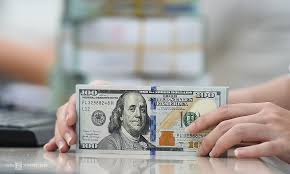
The central exchange rate in Vietnam has recently been set at 25,254 VND per USD, marking the highest level in 11 months. This adjustment aims to create a buffer for the end of the year, as the State Bank of Vietnam continues to raise the central rate to respond to the strong recovery of the US dollar. Despite this increase, bank USD rates have remained relatively stable, while the black market rates have decreased significantly due to reduced speculation.
Over the past week, the central exchange rate has risen approximately 50 VND, representing the most substantial adjustment in a year. However, the market has not followed this upward trend. Major banks like Vietcombank and VietinBank have set their selling rates at 26,475 and 26,490 VND, respectively, which are slightly higher than the beginning of the month but lower than the record highs seen in August 2025.
In contrast, the black market, or free market, has seen a decline in USD prices, trading around 26,370 to 26,410 VND, down by 200 VND since the start of the month. This reduction is significant compared to the peak prices of 28,150 VND at the end of March, indicating a 6% drop. According to Nguyen Quoc Anh, a senior lecturer at the University of Economics in Ho Chi Minh City, this divergence between the official and black market rates is not paradoxical but rather a result of the State Bank's proactive management strategy and actual market supply and demand.
The current supply of foreign currency is robust, supported by remittances, tourism, and foreign direct investment (FDI), while demand remains low as the import season has not yet peaked. The need for large payments for year-end orders is primarily concentrated in the fourth quarter. This oversupply has allowed banks to maintain stable exchange rates.
Interest rates further support the stability of bank exchange rates, with USD deposit rates at 0% and VND rates trending upwards. Analysts from VNDirect note that the widening interest rate gap between VND and USD helps curb speculative activities and encourages foreign businesses to reinvest their profits to take advantage of higher interest rates.
The decline in black market USD prices is largely attributed to reduced speculative behavior. Nguyen Quoc Anh mentions that the increasing convenience of foreign currency transactions at banks and the public's legal risk aversion regarding the unofficial market have significantly impacted the black market rates.
Additionally, the gold market's performance has also influenced the drop in black market USD prices, as gold prices have decreased by 2-4.5% this year. With expectations of further declines in gold prices, the demand for holding USD outside the banking system is likely to diminish, reducing short-term exchange rate pressures.
Experts predict that the current divergence in exchange rates signals potential volatility in the foreign exchange market in the coming months. Nguyen Quoc Anh forecasts that from September onwards, exchange rates may fluctuate more rapidly due to significant external information, such as the Federal Reserve's interest rate decisions and geopolitical events affecting the strength of the US dollar.
Domestically, the demand for foreign currency may surge as businesses prepare for year-end import payments. Meanwhile, UOB predicts a gradual decrease in exchange rates, projecting 26,500 VND in Q3, 26,400 VND in Q4, and further declines to 26,300 VND in Q1 and 26,100 VND by Q2 of 2027.
Despite warnings of potential exchange rate fluctuations towards the end of the year, many analysts agree that these changes will remain manageable by the authorities. VNDirect's analysis team anticipates that this year, exchange rates will fluctuate within a range of 1-2% due to improved foreign currency supply from strong FDI disbursements, accelerating exports, and the trend of domestic banks and businesses borrowing internationally.
The message to businesses is clear: importers should take advantage of the current low point to optimize payment costs, while exporters, who earn foreign currency and sell it to banks, should proactively manage risks using derivative instruments such as forward contracts or swaps.