17-year-old boy has rare condition: heart in right side of chest
A teenager was diagnosed with a completely reversed viscera with the heart located in the right side of the
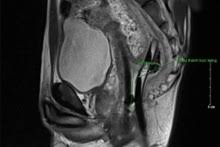
A 42-year-old male patient was transferred to Viet Duc Hospital for emergency treatment after suffering from a severe rectal injury, a condition that has never been recorded in Vietnam and for which there is no established treatment protocol in medical literature.
On June 29, Viet Duc Hospital reported that the surgical team successfully operated on the patient, who was in critical condition due to a severe infection in the anal-rectal area. According to Dr. Nguyen Dac Thao from the Center for Digestive Surgery and Pelvic Floor Disorders at Viet Duc Hospital, the case was highly complex. The patient arrived with extensive inflammation in the perineal area, posing a significant risk of sepsis that could threaten his life.
The patient had undergone two previous surgeries for hemorrhoids and an anal abscess about 7 to 10 days prior, but his condition worsened, prompting his family to seek transfer to a more specialized facility. Imaging tests revealed that the rectal wall was not visible, indicating a rare and serious injury.
Dr. Thao explained that the management of this case relied entirely on the experience and real-time assessment of the medical team at Viet Duc Hospital, as there were no existing treatment guidelines. After thorough consultations, the doctors proceeded to control the infection, create a temporary colostomy, and attempt to preserve the patient's natural anus.
Currently, the patient is stable and can eat and move around normally. However, he will require approximately three to four additional surgeries in hopes of restoring his natural anus. Dr. Thao cautioned that patients experiencing anal-rectal issues should avoid self-treatment methods or home interventions, as these can lead to severe complications, including death or the necessity of a permanent colostomy. If any complications arise after the initial surgery, patients should be transferred immediately to a specialized hospital for timely intervention.