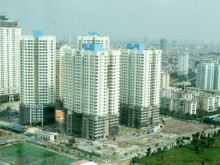
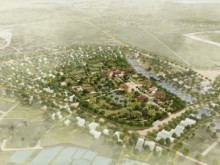
Binh Duong to develop 18,000 social homes in 2023
HCMC – The southern province of Binh Duong has approved a housing development plan for 2023, setting a
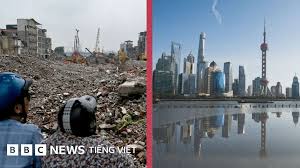
Hanoi is currently undergoing significant urban changes, with hundreds of thousands of residents facing the threat of losing their homes. This situation has drawn parallels to Shanghai, which experienced extensive demolitions and urban redevelopment over the past two decades. Social media discussions have emerged, urging residents to 'sacrifice for the common good,' referencing Shanghai's transformation as a model for progress.
Shanghai's urban planning, particularly from the 1990s to the 2020s, involved large-scale demolitions, with many residents displaced in the process. The story of Chu Quang Trạch, the last resident of her neighborhood in Shanghai's Xin Tian Di, illustrates the harsh realities faced during these transitions. Despite initial compensation offers of 4,600 yuan per square meter, the family found it insufficient to secure equivalent housing in the city center. The conflict escalated, with accusations against demolition teams for using intimidation tactics, including vandalism and harassment.
As the situation in Hanoi unfolds, many residents are reminded of Shanghai's past. The city implemented new regulations in 2011 that allowed residents to participate in decision-making processes regarding demolitions and compensations, a shift prompted by years of protests and legal battles. Experts have noted that land disputes in China often lead to social unrest, highlighting the need for fair compensation and transparent processes.
During the early 1990s, Shanghai's government focused on urban planning to modernize the city, which had suffered from outdated infrastructure. Projects like the Lujiazui financial district and the South Bund required the displacement of thousands of residents, many of whom were relocated to the city's outskirts. While some received better housing, the distance from their jobs and lack of public amenities created new challenges, leading to resistance against relocation.
The term 'dingzihu' describes families that remain in their homes amidst demolition efforts, symbolizing their determination to resist forced eviction. These struggles often resulted in severe confrontations, with some residents resorting to extreme measures, including self-immolation, to protest their situations.
Despite the government's push for a 'harmonious society,' the reality for many displaced residents has been far from equitable. The intertwining of corporate interests and government actions has often led to unjust land acquisitions, exacerbating wealth disparities and social tensions. Research indicates that many residents in Shanghai's redevelopment areas were unaware of impending demolitions until official announcements were made.
As Hanoi navigates its own urban development, the lessons from Shanghai's past are crucial. Ensuring fair compensation, involving residents in decision-making, and addressing the social impacts of urban planning are vital steps to avoid repeating history. The ongoing struggles of residents in both cities underscore the importance of equity and justice in urban redevelopment efforts.