New Regulations on Apartment Usage Duration: Market Impact
New regulations on the usage duration of newly built apartments in Vietnam have sparked discussions about
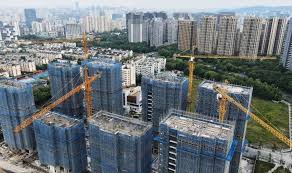
Different countries have varying regulations on the duration of apartment ownership, reflecting their unique land use policies and real estate markets. In China, the maximum ownership duration for apartments is capped at 70 years. However, the land on which these apartments are built is owned by the state, leading to complexities when lease agreements expire. For instance, in 2016, land parcels leased for 20 years in Wenzhou were nearing expiration, prompting concerns among homeowners about potential renewal fees that could amount to a third of the property's value.
Conversely, Singapore offers two forms of property ownership: freehold and leasehold. Most residential properties are leasehold, typically for 99 years, with some extending to 999 years. Upon expiration, these properties revert to the government, which owns the majority of land in Singapore. This system allows for land reuse and redevelopment, accommodating future generations. The government has also implemented a program for early redevelopment, allowing homeowners to vote on whether to sell their properties back to the government for redevelopment after about 70 years.
In Hong Kong, another high-demand real estate market, the leasehold duration is set at 50 years, with the possibility of a 50-year extension without additional fees. The Urban Renewal Authority oversees redevelopment projects in the city. Meanwhile, in Australia’s Canberra, the leasehold lasts for 99 years, with residents able to apply for extensions at any time during their lease period.
In the UK, property ownership duration varies based on contracts between buyers and landowners. Most apartments are sold under leasehold agreements, which can be extended after the initial term. This diverse landscape of ownership regulations highlights the complexities and challenges faced by homeowners around the world.