Climbing to the top of the tree to harvest ‘black gold’, farmers pocket thousands of dollars
During the season, about 300 households in Hiep Hoa, Bac Giang can earn thousands of dollars thanks to the
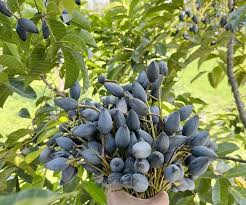
The black olive, often referred to as the "black gold" of the mountains, has seen a remarkable transformation in its status. Once a staple for the impoverished, it now commands prices as high as 100,000 VND per kilogram, with some years even reaching 180,000 VND. This fruit is not only a culinary delight but also a significant source of income for local farmers, particularly in regions like Bac Ninh, Phu Tho, and Tuyen Quang.
The black olive (Canarium tramdenum) is a perennial tree that can grow several meters tall and live for many decades. It produces fruit in clusters weighing between 1 to 2 kilograms, rich in essential oils and nutrients. There are two main varieties: the firm and crunchy type, ideal for fresh consumption, and the softer, creamier type, preferred for cooking.
Harvesting black olives is a labor-intensive process. Due to the height of the trees, pickers need to be physically fit and skilled in climbing. Timing is crucial; olives must be harvested at the right moment to ensure optimal taste and texture. The best olives are those covered in a natural white powder, indicating they are fully ripe and ready for culinary use.
Interestingly, black olives cannot be cooked immediately after harvesting. They must first be soaked in hot water at around 60-70 degrees Celsius for 15-20 minutes, a process known as "orm." This method softens the fruit, reduces bitterness, and makes it easier to separate the flesh from the pit.
Once prepared, black olives can be transformed into a variety of delicious dishes. One of the most famous is Tuyen Quang sticky rice with black olives, where the fruit is mashed and mixed with glutinous rice before steaming, resulting in a visually appealing purple dish with a unique flavor. Another popular dish is braised pork belly with black olives, which combines the rich flavors of the pork with the creamy texture of the olives, creating a savory experience.
Black olives can also be used in simpler dishes, such as braised fish, where the fruit is halved and cooked with fish, ginger, and fish sauce, resulting in a comforting meal, especially during cooler weather. Additionally, they can be prepared as salads, pickled, or preserved in fish sauce for year-round enjoyment.
Beyond their culinary uses, black olives are also packed with nutrients like protein, healthy fats, fiber, calcium, phosphorus, and folic acid. In traditional medicine, they are believed to help soothe coughs, cool the body, quench thirst, and improve sleep quality. As the black olive continues to gain popularity, it serves as a reminder of how traditional foods can evolve into cherished delicacies.