E10 Gas Prices Rise Nearly 1,000 VND Per Liter
Gasoline prices in Vietnam have seen a significant increase, with E10 gasoline rising by nearly 1,000 VND

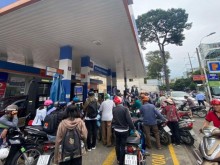
As of 3 PM on October 8, 2023, the price of gasoline in Vietnam has seen another increase, with E10 gasoline now costing over 28,200 VND per liter. The Ministry of Industry and Trade, along with the Ministry of Finance, announced this adjustment, which includes a significant hike of 1,070 to 1,140 VND per liter for various types of gasoline.
The new retail prices are set at 27,700 VND per liter for E5 RON 92 and 28,250 VND per liter for E10 RON 95. Conversely, the price of diesel has decreased by 590 VND per liter to 29,120 VND, while mazut oil has increased by 700 VND per kilogram to 21,090 VND.
This latest adjustment marks the sixth consecutive increase in domestic gasoline prices, while diesel has continued to decline after three previous increases. Despite these changes, the price of fuel in Vietnam remains lower than in many neighboring countries.
As of June 30, the balance of the fuel price stabilization fund stood at over 196.28 billion VND, reflecting an increase of more than 1.22 billion VND since the beginning of the second quarter. During this quarter, over 1.886 trillion VND was allocated from the fund, with more than 873 billion VND utilized and 309 million VND in interest accrued.
On September 30, the government issued Resolution 43, which extends the exemption period for preferential import taxes, environmental protection taxes, and value-added taxes on fuels until December 31, 2023. This extension is an additional three months beyond the previous regulations.
In the global market, crude oil prices have risen due to concerns about supply disruptions from the Middle East. On October 8, Brent crude oil increased by 2.28 USD to 102.28 USD per barrel, while WTI crude rose by 1.66 USD to 89.94 USD per barrel, according to Reuters.
Prior to this, oil prices had decreased on October 7 after the International Energy Agency (IEA) decided to expedite the release of oil from reserves to prioritize diesel supply and help countries cope with rising fuel prices and supply disruptions caused by conflicts in the region.
However, tensions regarding oil transportation through the Strait of Hormuz have heightened, with the number of attacks on oil tankers reaching the highest level since the onset of conflict with Iran. While Gulf oil-producing countries are increasing exports, transportation activities face greater costs and risks.
Experts suggest that the frequency of attacks on vessels is at a peak and may continue to rise, contributing to sustained high oil prices. The IEA's decision to release oil reserves may provide short-term relief but does not necessarily increase actual production capacity.
Recent data also supports oil prices, with U.S. crude oil inventories dropping by 3.2 million barrels to 424.1 million barrels for the week ending October 2, significantly exceeding analysts' forecasts of a 1.7 million barrel decrease.