Blood Pressure Medication Ineffective Without Proper Adherence
A recent study highlights the critical importance of adhering to blood pressure medication regimens.
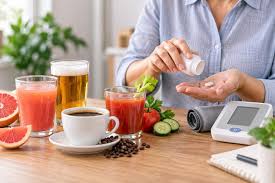
For those undergoing treatment for high blood pressure, it is crucial to be aware of certain beverages that may affect the effectiveness of their medication or increase the risk of side effects. According to Health experts, individuals taking blood pressure medication should exercise caution and seek medical advice before consuming specific drinks.
Dr. Sabrina Islam, a cardiologist at Temple Health in the U.S., warns that grapefruit juice can inhibit the enzyme CYP3A4, which is essential for metabolizing and breaking down many blood pressure medications. Excessive consumption of grapefruit juice may lead to elevated levels of certain blood pressure drugs in the bloodstream, increasing the risk of hypotension. Therefore, it is advisable to consult a physician before regularly consuming grapefruit juice.
Additionally, Dr. David Maron, a cardiologist at Stanford Medicine, notes that other fruit juices, such as apple juice and citrus juices, may also impact the absorption and metabolism of various blood pressure medications. Consequently, individuals on blood pressure treatment should refrain from consuming these juices frequently without understanding their potential interactions with their prescribed medications.
Alcohol can significantly affect blood pressure levels. Dr. Islam indicates that it can amplify the effects of certain blood pressure medications, leading to a considerable drop in blood pressure. Furthermore, alcohol may exacerbate the side effects of these medications, such as dizziness, fainting, and heart rhythm changes. Notably, alcohol itself can raise blood pressure, which can counteract the benefits of treatment and complicate blood pressure management.
Caffeine can diminish the effectiveness of some blood pressure medications. Research suggests that beta-blockers and diuretics may not work as effectively when consumed with caffeine. Dr. Maron recommends that healthy adults limit their caffeine intake to no more than 400 mg per day, equivalent to approximately three cups of coffee. It's important to note that some energy drinks can contain up to 250 mg of caffeine per serving, so those on blood pressure medication should be particularly cautious with these beverages.
Some bottled vegetable juices may contain high levels of sodium. Excess sodium intake can lead to water retention, which, according to Dr. Harlan Krumholz from Yale Medicine, can increase blood pressure and make it more challenging to manage with medication. This can result in complications such as hypertension and reduced effectiveness of prescribed blood pressure drugs.
Recommendations regarding beverages may vary based on individual blood pressure levels, underlying health conditions, and specific medications being used. If unsure about the impact of a particular drink on blood pressure treatment, patients should consult their doctor or pharmacist before making it a regular part of their diet. Dr. Krumholz emphasizes that healthcare professionals can provide tailored advice to ensure safe choices, as a beverage that poses risks for one patient may be acceptable for another.