Malaysia: majority of COVID-19 deaths related to diabetes, high blood pressure
NDO/VNA - Malaysia's Ministry of Health on November 14 reported that majority of deaths from the COVID-19
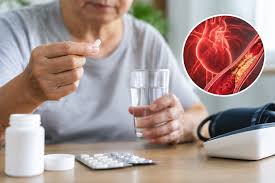
High blood pressure is a silent threat that can lead to serious health issues such as heart attacks and strokes. While blood pressure medications can effectively prevent these events, many individuals still experience life-threatening conditions due to poor adherence to their treatment regimens. A large-scale study presented at the European Society of Cardiology Congress in Munich, Germany, revealed how adherence to medication significantly impacts blood pressure control and the prevention of cardiovascular incidents.
Researchers from the University of Oxford analyzed data from 91,339 participants aged 30 to 79 across nine clinical trials. They assessed and compared the adherence levels of participants to their prescribed medication. The findings indicated that consistent medication intake is directly related to the effectiveness of treatment. Regular use of blood pressure medication reduced the risk of serious cardiovascular events by 11%, including strokes, heart attacks, and heart failure.
Specifically, individuals who adhered to their medication regimen, taking at least 80% of their prescribed doses, experienced an average reduction of 5.2 mmHg in systolic blood pressure. In contrast, those with poor adherence only saw a reduction of 3.0 mmHg. Notably, for the poorly adhering group, the medication had little to no protective effect against cardiovascular issues, according to the scientific news outlet Scitechdaily.
Qianqian Yang, a PhD student at the University of Oxford and lead author of the study, emphasized that “medications will not be effective if patients do not take them regularly.” Yang noted that patients with poor adherence to treatment are unlikely to receive any cardiovascular benefits. Conversely, those who follow their treatment plans closely achieve better blood pressure control and lower risks of cardiovascular events.
Since high blood pressure often does not present immediate or noticeable symptoms, patients may not recognize the consequences of missing a dose. This can lead to complacency and the development of irregular medication habits. Professor Felix Mahfoud, Chair of the Communications Committee of the European Society of Cardiology, stated that assessing adherence levels should become a routine part of patient care. To improve treatment outcomes, experts recommend simplifying treatment regimens, potentially combining multiple medications into a single pill when appropriate, and prioritizing long-acting medications. These strategies may help patients maintain consistent medication use, thereby enhancing blood pressure control and reducing the risk of cardiovascular events.