Gentlemen who do these 3 jobs are very susceptible to kidney disease, need to pay attention right away-Life Health
Wednesday, March 16, 2022 16:00 PM (GMT+7) Kidney is an important organ of the body, once damaged it
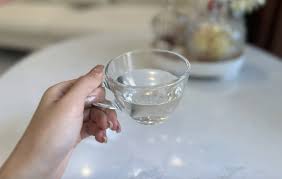
Frequent urination shortly after drinking water is a common concern for many, with some fearing it may indicate kidney problems. According to Liu Boren, a medical expert from Taiwan, this rapid urge to urinate is often just a normal bodily response to hydration. However, it is crucial to differentiate between typical urination and a condition known as polyuria, where an individual produces more than three liters of urine a day.
Many people worry that their bodies are unable to retain water, leading to frequent trips to the bathroom. Liu shares the story of a female patient who felt compelled to urinate less than thirty minutes after drinking water. She was anxious about her body’s ability to hold onto fluids. Liu clarified that when water is ingested, it is absorbed into the bloodstream, and the kidneys regulate how much water to retain or expel based on the body's needs at that moment. The hormone antidiuretic hormone (ADH) plays a critical role in this regulation. When the body is dehydrated, ADH levels increase, prompting the kidneys to retain more water. Conversely, when a large amount of water is consumed quickly, ADH secretion is suppressed, leading to increased urination.
It is important to note that if the bladder already contains a certain amount of urine, the act of urinating shortly after drinking does not solely reflect the amount just consumed. Liu emphasizes the need to differentiate between frequent urination and polyuria. If an adult consistently produces over three liters of urine daily, it is advisable to seek medical evaluation to determine the underlying cause.
Conditions such as high blood sugar can lead to increased urine output, as glucose raises osmotic pressure in the urine, pulling water along with it. Other factors, including diuretic medications, caffeine, alcohol, or rare conditions like diabetes insipidus, can also significantly increase urine volume. On the other hand, some individuals may feel the need to urinate frequently but produce small amounts each time, which could be linked to overactive bladder syndrome, urinary tract infections, or prostate issues.
Liu reassures that if the urge to urinate arises soon after drinking a large glass of water, it is typically not a cause for alarm. However, if one experiences sudden excessive thirst, large urine output, or frequently wakes at night to urinate, it is essential to consult a doctor for a thorough examination, including blood sugar and kidney function tests, as well as electrolyte levels.
Regarding daily water intake, Liu advises against consuming large amounts of water in one sitting just to meet a specific target. Instead, individuals should distribute their water intake throughout the day and monitor the color of their urine, aiming for a light yellow as a simple indicator of hydration. During physical activities, sweating, or hot weather, it is important to adjust water and electrolyte intake accordingly. However, those with heart failure, kidney disease, or specific medical advice to limit water intake should not follow the same hydration practices as healthy individuals.