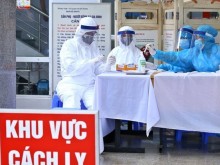
Two people suffer allergic reactions after receipt of Covid-19 vaccine
According to the National Steering Board for Covid-19 Prevention and Control this morning, more people
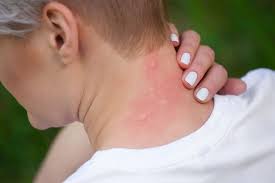
As allergies become more common in modern society, many individuals are experiencing severe reactions, including anaphylaxis, after exposure to allergens. According to Dr. Dang Thi Hong Phuong, Deputy Head of the General Planning Department at Ho Chi Minh City Dermatology Hospital, allergies occur when the immune system overreacts to substances that are typically harmless to others.
Dr. Phuong notes that the rise in allergic conditions is linked to various factors, primarily environmental pollution, climate change, and modern lifestyle changes. Air pollution, early exposure to allergens, antibiotic overuse, early-life infections, dietary changes, and parasitic infections can all increase allergy risks. Genetic factors also play a significant role; children with allergic parents have a 75% chance of developing allergies themselves.
Globally, about 20% of the population has an allergic predisposition, although not all will exhibit symptoms. Approximately two-thirds of those with this predisposition will develop specific allergic conditions. Dr. Nguyen Huu Truong, Deputy Director of the Allergy and Clinical Immunology Center at Bach Mai Hospital, emphasizes three key principles for managing allergies: avoiding allergens, using antihistamines to alleviate symptoms, and undergoing specific immunotherapy when the allergen is clearly identified.
Food allergies are another serious concern, where the immune system mistakenly identifies proteins in food as harmful, leading to symptoms such as rashes, swelling, abdominal pain, vomiting, diarrhea, or difficulty breathing. In severe cases, anaphylaxis can occur, which is life-threatening and requires immediate medical attention.
Common allergenic foods include eggs, milk, peanuts, soy, wheat, and tree nuts in children, while adults may react to fish, shellfish, and peanuts. Cross-reactivity is also a risk, where individuals allergic to one food may react to similar foods. For example, those allergic to cow's milk may also react to goat's milk.
Parents are advised to be cautious about food allergies in young children, especially those under three years old. Breastfeeding is associated with a lower risk of allergies compared to formula feeding. For high-risk infants who cannot be breastfed, partially hydrolyzed formula is recommended until four months of age.
In conclusion, as the incidence of allergies continues to rise, awareness and proactive management are essential to mitigate the risks associated with allergic reactions.