Miss Bao Ngoc Addresses Columbia University Admission Controversy
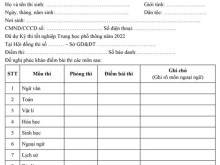
Miss Bao Ngoc has responded to allegations regarding the authenticity of her acceptance letter to Columbia
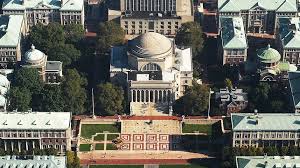
Columbia University has made significant announcements regarding campus access as it prepares for the upcoming academic term. In a message to the Columbia community, President Jennifer L. Mnookin outlined three key steps aimed at enhancing access to the Morningside campus while maintaining safety and security for all members of the university.
Since taking office two months ago, President Mnookin has engaged with students, faculty, staff, alumni, and local residents to address concerns about campus access and safety. Many expressed frustration over restricted access, which they felt limited the university's connection to New York City and its surrounding community. However, others highlighted the importance of maintaining safety measures in light of recent events.
To address these concerns, President Mnookin announced the formation of a Campus Access Advisory Committee, co-chaired by Shih-Fu Chang and Geraldine Downey. This committee will advise university leadership on principles and practical steps to increase campus access while ensuring appropriate safeguards are in place.
In addition to the committee's formation, the university is implementing immediate changes to guest access. Starting September 8, Columbia faculty will be able to authorize up to 24 same-day guests, while staff and students can now welcome up to five guests, an increase from the previous limit of two. Furthermore, children under 12 will no longer require a separate QR code for campus access.
To further assist with access issues, a temporary Access Service Kiosk (ASK) will be launched on October 1 at the 116th Street and Broadway gate. This kiosk will be staffed to help community members and visitors navigate campus access requirements and resolve any issues that may arise.
President Mnookin emphasized that these changes are just the beginning of a broader effort to create a more open campus environment. She acknowledged that while these steps will not address every concern, they represent a meaningful first step toward improving access and fostering a sense of community at Columbia.
As the university moves forward, it will continue to evaluate its access policies and engage with the community to ensure a balance between safety and openness. Updates from the Campus Access Advisory Committee will be shared with the community in the coming months.