Vietnam Aims to Develop Tourism as a Major Economic Sector
Vietnam is set to enhance its tourism sector, aiming for it to become a significant contributor to the
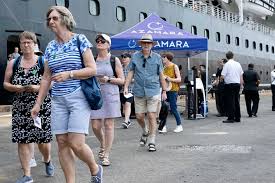
Vietnam's tourism sector is facing a notable paradox: while the country attracts millions of international visitors, the average spending per foreign tourist is significantly lower than what Vietnamese travelers spend abroad. Data shows that Vietnam earns an average of approximately $718 from each international visitor, whereas Vietnamese citizens traveling overseas spend around $2,200 on average, more than three times the amount.
As Vietnam aims to boost its tourism industry, the government has set ambitious targets for the coming years. By 2030, the goal is to welcome 45-50 million international tourists and generate $80-90 billion in total tourism revenue, contributing directly 10-12% to the GDP. These objectives were outlined in the Political Bureau’s Resolution 26-NQ/TW, which emphasizes the importance of high-spending tourists and longer stays.
In the first eight months of 2026, Vietnam welcomed nearly 16 million international visitors, marking a 14.4% increase compared to the same period last year. The recent five-day holiday on September 2 saw around 6.5 million tourists, showcasing a growing interest in the country’s attractions. However, many experts argue that the real challenge lies not in the number of visitors but in their spending habits and the economic benefits that follow.
Experts like Nguyen Tran Hoang Phuong from the Institute for Tourism and Society suggest that Vietnam must shift its focus from merely counting tourists to measuring their economic impact. Drawing lessons from Singapore’s “Tourism 2040” strategy, which prioritizes high-value segments such as MICE (Meetings, Incentives, Conferences, and Exhibitions), Phuong advocates for a new set of key performance indicators (KPIs) that include daily spending, length of stay, and the percentage of money that remains in the domestic economy.
Despite the influx of tourists, many visitors tend to spend less than expected, raising concerns about the overall value generated for the economy. The government aims to address this by improving infrastructure and creating competitive tourism centers. This includes developing large-scale tourism projects and enhancing connections between international gateways and tourist destinations.
Phạm Thị Thanh Trà, Deputy Prime Minister, highlighted the need for a paradigm shift in tourism management, focusing on quality rather than quantity. The objective is to create a tourism economy that operates 24 hours a day, offering diverse experiences from early morning markets to nighttime entertainment.
Furthermore, the tourism sector must capitalize on Vietnam’s unique products, such as coffee, tea, and handicrafts, to enhance its appeal to tourists. By creating a robust ecosystem of attractive goods and experiences, Vietnam could increase the spending of both foreign visitors and its citizens traveling domestically.