Fed's Warsh Addresses Congress on Monetary Policy
Federal Reserve Chair Warsh presented the Semiannual Monetary Policy Report to Congress, emphasizing the
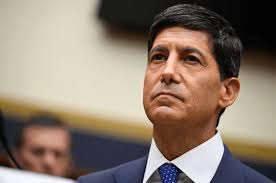
As the Federal Reserve prepares for its upcoming policy meeting on July 29, Chair Kevin Warsh is making significant changes that have not been seen before in the central bank's history. These changes come as a response to the need for a new approach to monetary policy and economic evaluation. Warsh's strategy includes the establishment of five independent expert groups tasked with reviewing the Fed's methods of assessing the economy and communicating its policies to the market.
Warsh invited 18 members of the Federal Open Market Committee (FOMC) to a dinner shortly before his first policy meeting on June 16, where he announced his plans. This move has sparked a mix of reactions, with some members questioning the necessity of these independent groups, suggesting that knowing the participants could lead to predictable conclusions.
Since his appointment by President Donald Trump, Warsh has been vocal about the need for the Fed to change its thinking rather than merely adjusting interest rates. He has expressed that the FOMC has already begun to embrace this new mindset, which he believes is crucial for the Fed's future direction.
The five expert groups will focus on core issues such as the Fed's communication strategies, inflation control frameworks, and balance sheet management. These groups will include 15 external experts, including a Nobel laureate and former central bank governors. Warsh has emphasized that while these groups will provide recommendations, the final decisions will still rest with the FOMC, marking a departure from the Fed's traditional practice of rarely involving external experts in core matters.
However, not all FOMC members are on board with this new approach. Some are interested in revisiting issues like the balance sheet and communication methods, while others are skeptical about whether Warsh's ambitious agenda can achieve consensus among the 19-member committee.
Warsh has been critical of the Fed's forecasting methods, arguing that they often lead policymakers to consensus thinking and rely on outdated data. During a recent congressional hearing, he pointed out that inflation had consistently exceeded the Fed's 2% target for 63 months, advocating for a reevaluation of the current approach.
Despite these changes, the most noticeable shift in Warsh's early tenure has been his silence on how he perceives the economic shocks affecting the Fed's decisions. Unlike previous Fed chairs, Warsh has refrained from revealing his evaluations or how the Fed will respond to economic challenges. This lack of transparency has raised concerns among some members of Congress and the market about the Fed's future actions regarding interest rates.
While many Fed members believe there is always a trade-off between controlling inflation and protecting jobs in the short term, Warsh has rejected this notion. He argues that the Fed should express its views more clearly to prevent policymakers from being overly influenced by their forecasts. This perspective has sparked debate among economists and market analysts, with some questioning the feasibility of a less communicative Fed.
As the market awaits the Fed's decision, the uncertainty surrounding Warsh's approach continues to generate discussions about the implications for monetary policy and economic stability.