E10 Gas Prices Rise Nearly 1,000 VND Per Liter
Gasoline prices in Vietnam have seen a significant increase, with E10 gasoline rising by nearly 1,000 VND
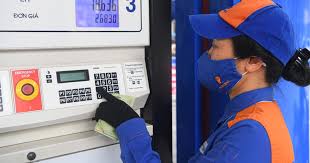
Starting from 3 PM on July 23, fuel prices in Vietnam have seen a significant increase. The price of E5 RON 92 gasoline has risen to 20,880 VND per liter, while E10 RON 95 gasoline is now priced at 21,430 VND per liter. Diesel fuel has also surged, exceeding 25,700 VND per liter.
The adjustment was made by the Ministry of Industry and Trade and the Ministry of Finance, which decided to increase the price of E5 RON 92 gasoline by 1,060 VND per liter and E10 RON 95 gasoline by 880 VND per liter. Following this adjustment, the retail price for E5 RON 92 is now 20,880 VND per liter, and E10 RON 95 is 21,430 VND per liter. Additionally, the price of diesel has increased by 2,440 VND per liter, bringing it to 25,760 VND per liter, while mazut has risen by 1,110 VND per liter to 15,560 VND per kilogram.
This marks the second consecutive increase in fuel prices after a previous decrease. Despite the recent hikes, the overall fuel prices in Vietnam remain lower compared to other countries in the region.
In response to the price changes, several localities have implemented plans to monitor the quality of E10 biofuel. In Hanoi, inspections are focusing on compliance with technical standards, measurement accuracy, and the quality of E10 gasoline throughout its production, blending, storage, distribution, and circulation processes. The inspections will target fuel distributors, agents, and retail outlets selling E10 gasoline.
Authorities will check documentation related to quality standards, certification, and the origin of goods, ensuring compliance with measurement regulations. They may also take samples of E10 gasoline for testing if necessary.
Similarly, the People's Committee of Ho Chi Minh City has directed the implementation of quality monitoring plans for E10 biofuel as per the Ministry of Science and Technology's requirements. The Department of Science and Technology will lead the quality inspections in the market, while the Department of Industry and Trade will review supply chain units, coordinate inspections, and enhance public awareness regarding the purpose of these checks.
Local authorities are emphasizing the importance of conducting inspections within their legal authority to avoid overlaps and ensure timely handling of violations, thereby protecting fuel quality and consumer rights.