Global Oil Prices Rise Amid Tensions Between US and Iran
On June 29, global oil prices saw a reversal, with WTI crude nearing $69 per barrel and Brent crude
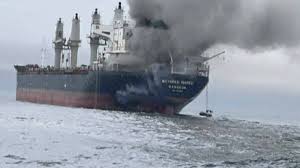
In recent weeks, tensions between the United States and Iran have escalated, yet the international oil market has shown an unusual calm. Following a brief ceasefire agreement that lasted only about three weeks, US President Donald Trump announced the end of the truce, citing Iranian attacks on commercial vessels in the Strait of Hormuz. This has led to a resurgence of military actions by the US against Iran, targeting over 80 sites, including air defense systems and naval bases.
As of July 11, 2026, Brent crude oil prices were approximately $76.00 per barrel, and West Texas Intermediate (WTI) was around $74.70 per barrel. This is a notable increase from the previous week, with Brent rising by 5.4% and WTI by 4%. However, these prices are significantly lower than the peaks seen during the height of the Hormuz crisis earlier this year, where Brent exceeded $110 per barrel.
The relative stability in oil prices can be attributed to several factors. Although the ceasefire has ended, negotiations between the US and Iran continue, and the Strait of Hormuz remains partially open for shipping. The market has also adjusted to a decrease in oil demand and a restructuring of supply chains, which has lessened the impact of regional instability on global oil prices.
Market analysts now view the Strait of Hormuz, a crucial energy passage, as less likely to face a long-term blockade. This is due to the understanding that such a closure would be detrimental not only to the global economy but also to Iran's own oil exports. Additionally, alternative land routes for oil transport have been developed by countries like Saudi Arabia and the UAE, further mitigating risks associated with the Strait.
Despite the ongoing military actions, diplomatic channels remain open, with indirect talks continuing through intermediaries such as Oman and Qatar. The focus of negotiations has shifted from nuclear agreements to crisis management, particularly concerning the security of shipping in the Strait.
Both the US and Iran seem to prefer avoiding a full-scale war, which has led to a cautious approach in their dealings. Observers note that while the potential for conflict remains, the likelihood of a complete breakdown in negotiations is currently lower than before. The situation remains fluid, and any significant escalation in attacks could disrupt this delicate balance.
In conclusion, while military tensions are high, the oil market's response has been tempered by ongoing diplomatic efforts and a reassessment of risks associated with the Strait of Hormuz. This indicates a complex interplay between military actions and economic realities in the region.