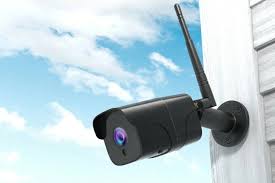
New regulations concerning surveillance cameras in Vietnam will officially come into effect on July 1, following the issuance of Circular No. 48 by the Ministry of Public Security. This marks the first time Vietnam has established national technical standards specifically for Internet Protocol (IP) cameras, a significant step towards enhancing security for Internet-connected surveillance devices and improving user data protection.
One of the most notable requirements is the regulation regarding default passwords used on cameras. Previously, many cameras utilized a common default password set by manufacturers, which was a primary reason thousands of surveillance cameras in Vietnam were easily hacked. Cybercriminals could exploit vulnerabilities in these devices to monitor users and steal sensitive images.
The new standards mandate that each IP camera must use a unique password or require users to set a new password immediately after installation. Additionally, manufacturers must implement authentication mechanisms capable of resisting automated password scanning tools. The devices must also include features that allow users to erase personal data, private configurations, and encryption keys directly on the device to ensure safety when decommissioning or transferring the device.
In terms of transparency, camera manufacturers are required to provide detailed descriptions of the types of data collected by the devices, including images, audio, biometric information, and geographical location. Furthermore, manufacturers must establish mechanisms for users to confirm or retract consent regarding data collection.
The new regulations also stipulate that IP cameras must allow users to store data on servers located in Vietnam, thereby minimizing the risk of data being transferred abroad. Manufacturers must clearly state warranty periods and software update policies, and devices should automatically notify users of security patches to prevent vulnerabilities.
To enhance convenience and reliability, the new standards require devices to have the ability to automatically restore functionality and reconnect in sequence after experiencing power or network issues without requiring user reconfiguration.
These regulations apply to all organizations and individuals, both domestic and foreign, involved in the production, business, or importation of IP cameras in the Vietnamese market. With this legal framework, users will be better protected against the risk of leaking sensitive and private images without needing to be cybersecurity experts.
IP cameras are surveillance devices capable of connecting to the Internet and have their own IP addresses. Depending on their functions, IP cameras can record and transmit images and audio in real-time or store information about the geographical location where the camera is installed. The advantages of IP cameras include the ability to view images live via the Internet from anywhere, high-resolution images, and flexible data storage options (either directly on the device or on the manufacturer's server). However, the disadvantages include the risk of being hacked to view monitored content and potential operational failures when the network is weak.