Vietnam's Leaders Emphasize Strategic Economic Development
Vietnam's General Secretary and President has highlighted the importance of strategic economic development,
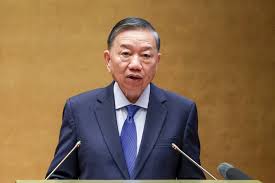
On June 30, 2026, a national conference was held in Hanoi to discuss the implementation of Resolution No. 10 from the Politburo, which outlines Vietnam's strategy for attracting foreign investment to bolster its economic resilience. The General Secretary and President, To Lam, emphasized that Vietnam's goal is not to attract foreign investment at any cost but to develop a strategic approach that enhances domestic capabilities and fosters sustainable growth.
The essence of Resolution No. 10 is clear: attracting foreign investment should not replace domestic resources but should strengthen them, promoting self-reliance and ensuring high-quality, inclusive economic development. During the conference, Lam pointed out the limitations faced in attracting foreign direct investment (FDI) in recent years, including low localization rates, insufficient collaboration with domestic enterprises, and inadequate technology transfer.
Many foreign investment projects still focus on assembly and labor-intensive processes, utilizing cheap land and labor while failing to create new capacities for the economy. Some localities continue to compete for investment based on the number of projects rather than prioritizing effective land use, energy savings, and contributions to the budget and technology transfer.
At the conference, Lam proposed eight key tasks for various levels of government and sectors to focus on:
Lam concluded by stressing the importance of strategic planning and effective coordination among regions to ensure that localities do not compete destructively for the same types of projects without regard for their planning and resources. He asserted that Vietnam must aim for a balanced and sustainable approach to foreign investment that aligns with its long-term development goals.