Man Diagnosed with Two Types of Cancer Due to Long-Term Habits
A 68-year-old man in Taiwan has been diagnosed with stage III lung cancer and stage II esophageal cancer,
A shocking diagnosis has struck a family in China, where both husband and wife were found to have colon cancer almost simultaneously. This revelation has prompted questions about whether cancer can be transmitted among cohabitants. Dr. Jiang Jianhua clarified that cancer is not an infectious disease and cannot be passed from person to person. However, couples living together for many years may develop similar types of cancer due to shared lifestyle habits and dietary choices.
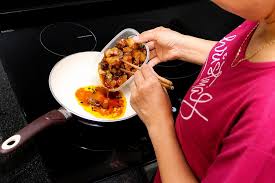
One prevalent habit identified was the practice of reheating food multiple times, a common occurrence in many households. After investigating the couple's eating habits, doctors noted that they maintained a frugal lifestyle, often storing leftover food in the refrigerator to be reheated for subsequent meals. Some dishes were consumed repeatedly over three to four days. Dr. Jiang emphasized that improper food storage and reheating could increase the risk of food safety issues.
For certain foods, especially leafy greens, natural nitrate levels can convert to nitrites during improper storage. Under specific conditions, nitrites can react to form nitrosamines, some of which have been classified by the International Agency for Research on Cancer (IARC) as potentially carcinogenic to humans or animals. However, the overall risk of cancer depends on various factors, including the type of food, storage methods, cooking techniques, and the overall diet, rather than just one dish or reheating instance.
Nutrition experts also warn that reheating food multiple times can diminish its nutritional value and increase the risk of bacterial contamination if not stored at the correct temperatures. Fortunately, the couple's cancer was detected at a treatable stage, and they continue to receive regular monitoring.
Colon cancer often presents no clear symptoms in its early stages, making it easy for many to overlook. Common initial symptoms can be mistaken for regular digestive issues or hemorrhoids, leading to delayed diagnosis. Individuals should seek medical attention if they experience signs such as:
To reduce cancer risk, experts recommend cooking only the necessary amount of food and minimizing the time leftovers are stored in the refrigerator. If food must be preserved, it should be cooled quickly, stored in airtight containers, and consumed within a short period. When reheating, ensure the food is heated thoroughly before consumption. Additionally, maintaining a diet rich in fiber from vegetables, fruits, and whole grains while limiting processed meats, high-fat foods, and overly salty items is advised. Particularly for individuals aged 45 and older, those with a family history of colon cancer, or those with risk factors, proactive screening through stool tests or colonoscopy as advised by a physician is essential.