Liver cancer on the rise in Vietnam
Vietnam had 26,418 new cases of liver cancer, accounting for 14.5%, the highest among common cancers in 2020.
A 68-year-old man from Taichung, Taiwan, recently faced a shocking diagnosis of both stage III lung cancer and stage II esophageal cancer. This unfortunate situation arose after many years of smoking and heavy drinking. The man was initially diagnosed with lung cancer in 2018 and underwent surgery to remove a portion of his lung. After his treatment, he quit smoking and drinking, believing he had fully recovered.
However, he did not continue regular follow-ups, which proved to be a critical mistake. Recently, he experienced symptoms such as a tumor in his left neck, difficulty swallowing, and a significant weight loss of about 10 kilograms. This prompted him to visit Taichung Hospital for a check-up, where Dr. Ngo Minh Tuan, a specialist in liver and digestive diseases, confirmed the recurrence of his lung cancer and its progression to stage III.
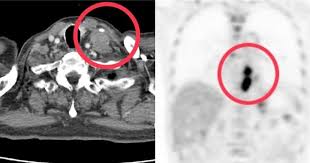
Further evaluation using PET/CT scans revealed a 5 cm ulcerated tumor in the lower esophagus, which was confirmed through biopsy to be stage II squamous cell carcinoma. Dr. Ngo noted that in clinical practice, about 1 in 10 to 20 patients with esophageal cancer also develop lung cancer or head and neck cancer, particularly those with a history of smoking and drinking.
The risk is heightened because the mouth, esophagus, and lungs are all exposed to carcinogenic substances from tobacco and alcohol over extended periods. Therefore, these organs can develop cancer simultaneously or sequentially. Dr. Ngo advises individuals to quit smoking, drinking, and chewing betel nut to reduce the risk of multiple cancer types.
He also highlighted that early-stage esophageal cancer often presents no clear symptoms. By the time patients experience signs such as difficulty swallowing, chest pain, or unexplained weight loss, the disease is usually at an advanced stage. In this case, the man's esophageal cancer was fortuitously discovered during an examination for his recurrent lung cancer.
Dr. Ngo emphasized the importance of regular check-ups for individuals with a history of tobacco and alcohol use, even after successful treatment. Routine monitoring can help detect the risk of recurrence or the emergence of another cancer type, thereby increasing the chances of effective treatment.
Additionally, the article touches on the concept of toxic stress, a syndrome many encounter, yet comprehensive medical studies on this issue remain lacking, complicating treatment efforts.