Budget housing still in short supply
HCMC – The real estate market remained unstable in January-September this year, with social housing and
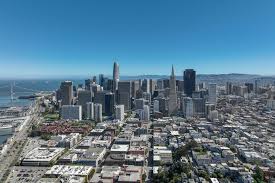
San Francisco is experiencing a surge in rental prices, making it the most expensive city in the U.S. for housing. This spike is attributed to a combination of a housing supply shortage and the high salaries offered in the artificial intelligence (AI) industry. Reports indicate that individuals are even offering gifts like flowers and wine to real estate agents during house viewings and paying a year’s rent upfront to secure a place. Currently, a room without a built-in closet can cost around $2,250 per month.
The rental market in San Francisco has always been competitive, but the recent AI boom has intensified the competition for housing. According to real estate data firm CoStar, the average rent in the San Francisco metropolitan area has risen by 18% in less than two years, reaching $3,728 per month. This figure has now overtaken New York City’s average rent for the first time since 2019, re-establishing San Francisco as the city with the highest average rental costs in the country.
In the most desirable neighborhoods, rental prices can be double the average. Some apartments are even being bid up to five figures, exceeding $10,000 per month. Darren Mallot, a 23-year-old finance professional who moved to San Francisco, shared his experience of a competitive apartment search, where he ended up paying $10,000 for a four-bedroom apartment in Nob Hill after a bidding war that started at $8,000.
Prior to the pandemic, San Francisco’s rental prices had declined as residents left the city in search of more spacious accommodations. However, as remote work declined and AI companies began hiring aggressively, the rental market saw a significant rebound. The influx of high-paid AI professionals is now driving this recovery, with venture capital activity in the Bay Area also on the rise.
Currently, the vacancy rate in the San Francisco metropolitan area has dropped to 3.7% in the second quarter, down from 4.9% the previous year, marking the lowest rate among major U.S. metropolitan areas, trailing only New York and San Jose. This has led to a frenzied rental market where listings can disappear within hours of being posted. In sought-after areas like Mission Bay and SoMa, rental prices have been known to increase by hundreds of dollars within a couple of days as landlords capitalize on the demand.
Despite the high costs, many prospective tenants are willing to pay above the asking price to secure a lease. Some landlords are even offering incentives to buy out leases from current tenants in rent-controlled apartments. This trend is also spreading to neighboring cities like Oakland and San Jose.
New construction has not kept pace with demand, with San Francisco lagging behind other major coastal cities like Seattle and New York. Efforts to promote housing development in California have faced challenges, and the community remains divided over new projects, such as an 800-unit apartment tower in the Marina District.
Young professionals like Lily Mastrangelo, who recently graduated from the University of San Francisco, are struggling to find affordable housing. After encountering a rental listing that quickly escalated from $4,800 to $6,300, she ultimately settled for a room in a shared house for $2,520 per month. As her lease approaches its end, she is preparing to re-enter the challenging rental market.