Reasons to Upgrade from iPhone 17 Pro to iPhone 18 Pro
As the release of the iPhone 18 Pro approaches, users of the iPhone 17 Pro are considering an upgrade for
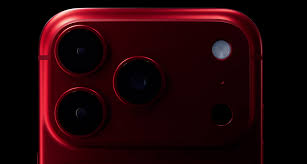
The iPhone 18 Pro Max is shaping up to be one of Apple's most significant hardware upgrades in years. Rumored improvements include the A20 processor built on TSMC's advanced 2nm process, a variable-aperture camera system, a smaller Dynamic Island, a larger battery, and even a possible overhaul of Apple's iPhone launch strategy. While these enhancements sound impressive, the critical question remains: how many of these new features will users actually utilize?
For years, the smartphone industry has transformed phones into increasingly powerful pocket computers. Cameras have become more professional, processors rival laptop-class performance, and displays are brighter than most people require. With the iPhone 18 Pro Max, Apple appears ready to push this trend even further. Ironically, however, its most significant upgrades may be those that users hardly notice in their daily lives.
The most crucial upgrade is likely hidden inside the device. Apple is expected to introduce the A20 processor manufactured using TSMC's next-generation 2nm process, marking a significant advance over today's 3nm technology. This transition allows for more transistors to be packed into the same silicon area, enhancing both performance and energy efficiency. Reports suggest that Apple will also adopt Wafer-Level Multi-Chip Module (WMCM) packaging technology, which could improve data transfer speeds while reducing system latency.
From an engineering perspective, this upgrade is substantial. However, for most consumers, the more relevant question remains whether the improvement will be noticeable. Even older iPhone models already handle everyday tasks such as messaging, social media browsing, streaming, photography, and basic video editing with ease. While a more powerful processor will benefit graphically demanding applications, very few users wake up wishing their phone had more processing power.
One of the most anticipated features is the rumored variable-aperture camera system. Apple is expected to upgrade all three rear cameras to 48 megapixels and introduce adjustable lens apertures. This could allow the camera to open wider in low-light conditions and narrow in bright environments, resulting in better-balanced images without relying entirely on computational photography. Photography enthusiasts may appreciate the added control, but for most users, the experience will likely remain unchanged.
Among the improvements, a smaller Dynamic Island may be the upgrade that users notice the most. Reports indicate that Apple is working to move part of the Face ID system beneath the display, allowing the Dynamic Island to become significantly smaller. This change would result in more usable screen space and less visual obstruction, enhancing user interaction across various applications.
Battery life is another anticipated improvement. Leaked information suggests that the iPhone 18 Pro Max could increase battery capacity to around 5,200mAh, up from approximately 5,088mAh on its predecessor. Combined with the A20's improved efficiency, battery life is expected to improve noticeably. However, this upgrade may come at the cost of a slightly thicker and heavier device, raising the question of whether users are willing to sacrifice design elegance for additional battery life.
Ultimately, the iPhone 18 Pro Max could represent a significant leap in hardware capabilities, but whether these advancements will translate into meaningful benefits for everyday users remains to be seen.