New Regulations Allow Teachers to Offer Additional Classes
Vietnam's Ministry of Education has announced that teachers can conduct additional classes in subjects they

The landscape of education in Vietnam is undergoing significant changes, particularly concerning extracurricular learning, which has become a financial burden for many families. Despite being exempt from tuition fees for formal education, parents are finding themselves paying substantial amounts each month for additional classes and various educational services.
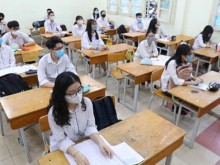
In Hanoi, cultural enrichment centers are bustling with students attending extra classes after their regular school hours. These programs, often presented as voluntary, are increasingly being scheduled during official school hours, limiting the choices available to families and students within public schools. A parent from Hợp Tiến Primary and Secondary School in Hanoi shared concerns about their child being required to attend extra classes on weekends at the teacher's home, each session lasting nearly two hours. This parent was unaware of a Ministry of Education directive prohibiting additional tutoring for primary school students, which raises questions about the enforcement of such regulations.
Moreover, the situation is not isolated to Hanoi. In Ho Chi Minh City, parents have expressed frustration on social media about schools transforming into service providers for various educational packages. Many subjects and activities are presented to parents as optional, yet they often feel pressured to agree to them. One parent from Phạm Ngọc Thạch Secondary School reported that teachers advised parents to sign off on all proposed services without objection, creating an environment where dissent is discouraged.
Parents are facing significant financial demands, with costs for enhanced language programs and other educational services adding up to over a million VND per month, despite the nominal tuition exemption. The pressure to enroll in these additional programs is compounded by the fear that opting out could result in their child losing access to essential services like full-day schooling.
At Thông Tây Hội Secondary School, parents reported being told that their children must enroll in all supplementary subjects to qualify for full-day schooling. This creates a dilemma, as families must balance their children's educational needs with their financial capabilities. The recent discussions among parents highlight a growing concern over the lack of genuine choice regarding their children's education, as many feel coerced into participating in programs that should be optional.
The issue of extracurricular learning has evolved into a broader conversation about equity and parental rights within the public education system. As parents navigate these challenges, the fundamental question remains: how can they ensure their children receive a quality education without being overwhelmed by financial pressures?