Important Notice from Police Regarding Citizen ID Photos
The An Giang Provincial Police have issued a crucial warning about the risks associated with sharing images
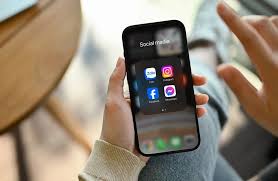
The police in various localities in Vietnam have raised alarms regarding the sharing of sensitive images through popular messaging platforms such as Zalo and Messenger. Many individuals habitually send images of their identity cards, flight tickets, and bank transaction screens for convenience. However, authorities warn that these practices can lead to identity theft and fraud.
According to the Lai Chau Provincial Police, there are seven types of images that should never be shared, even with acquaintances. Scammers can utilize these images to create fake identities, open bank accounts, take out loans, or commit other forms of fraud. The police have highlighted that sensitive documents, including identity cards, passports, and driver's licenses, contain critical information such as names, birth dates, identification numbers, addresses, and QR codes that can be exploited.
Scammers often impersonate police officers or government officials to request these images under the guise of needing them for administrative procedures. For instance, a case was reported in Dak Po District, Gia Lai, where a fraudster posed as a local official and asked residents to send their identity card and land use certificate images.
The police emphasize that government agencies do not require individuals to submit sensitive documents via links sent through personal messaging apps. When there is a legitimate need to share sensitive information, individuals should verify the recipient's identity and authority before sending anything. It is advisable to obscure or blur unnecessary information, such as identification numbers and QR codes, before sharing.
Additionally, cybersecurity experts recommend compressing files and password-protecting them before sending via messaging apps, while sharing the password through a different channel. For administrative tasks, documents integrated within the VNeID application can be presented directly, eliminating the need to send images over social media.
The police also advise against publicly posting personal documents or financial information online. Users should enable two-factor authentication for their social media, email, and banking accounts. Regularly reviewing and deleting images containing sensitive information from devices and past conversations is also recommended, as risks extend beyond just messaging applications.