ASEAN to Increase Local Currency Trade, Reducing Reliance on the US Dollar
ASEAN members have agreed to increase the use of local currency transactions and push for a better regional
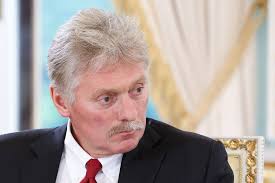
On September 8, during a press conference ahead of the BRICS Summit in New Delhi, Kremlin spokesperson Dmitry Peskov addressed misconceptions regarding Russia's financial policies. He clarified that Russia does not have a policy of de-dollarization and is not seeking to eliminate the US dollar from international transactions. Instead, he attributed the shift towards using the ruble to payment restrictions imposed by certain nations.
"We are not aiming for de-dollarization or seeking to eliminate the US dollar. On the contrary, we are open to all acceptable payment methods," Peskov stated, as reported by TASS. He explained that some countries are using their currencies as political pressure tools, imposing sanctions based on these currencies, which limits Russia's ability to use the currencies of its trading partners.
Peskov emphasized that if other countries do not allow Russia to use their currencies, then Russia will resort to using its own. He noted that utilizing the ruble in transactions benefits both Russia and its partners, enabling continued trade even when some nations restrict the use of their currencies.
This approach to domestic currency usage is also being promoted by Russia within the BRICS framework, as Moscow supports increasing the use of national currencies in trade among member states. The ruble has recently gained strength, with reports indicating it has risen approximately 12% against the US dollar since early April, becoming one of the strongest currencies globally during this period.
In summary, Russia's recent financial strategies are a direct response to external pressures and sanctions, rather than a deliberate move to undermine the US dollar's role in global finance.