Three Factors Shaping Gold Prices in the Second Half of 2026
As gold prices continue to fluctuate, experts identify three key factors that will influence the market in
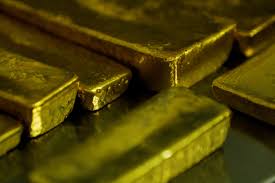
The gold market is currently experiencing a brief pause in its rally as investors turn their attention to impending US inflation data. This data is anticipated to play a pivotal role in shaping market dynamics and influencing investor sentiment.
Gold prices have seen a notable increase recently, driven by various factors including geopolitical tensions and shifts in monetary policy. However, the upcoming inflation report is creating a sense of caution among traders, who are keen to assess its potential impact on the economy and the precious metals market.
Analysts suggest that the inflation data could lead to adjustments in interest rates, which would directly affect gold's appeal as a non-yielding asset. A higher inflation rate may prompt the Federal Reserve to reconsider its monetary policy stance, potentially leading to fluctuations in gold prices.
As the market awaits the release of this critical data, investors are advised to remain vigilant and consider the broader economic indicators that could influence the gold market in the coming days. The interplay between inflation, interest rates, and gold prices will be closely monitored by market participants.
In summary, while the gold rally has taken a breather, the forthcoming US inflation data is set to be a significant catalyst for future price movements in the gold market.