Russia's Unveiled Ambitions: A Space Strategy for 2036
Russia is boldly pursuing a space strategy that includes plans for a nuclear power plant on the Moon and
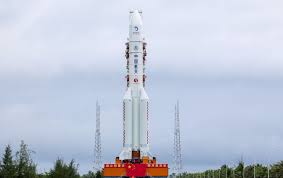
China has announced a postponement of its highly anticipated Chang'e-7 lunar mission, which was set to launch as part of the nation's ongoing efforts to explore the Moon and its resources. The mission, originally scheduled for launch on August 23, 2026, aims to investigate the presence of water on the lunar surface, a crucial element for future space exploration and potential colonization.
The Chang'e-7 mission is particularly significant as it represents China's commitment to advancing its space program in the face of a growing international space race. The mission is designed to utilize advanced technology to locate and analyze water deposits on the Moon, which could be vital for sustaining human life during long-term space missions.
Officials have not provided a new launch date, citing the need for additional preparation and testing of the spacecraft. This delay raises questions about China's timeline for its lunar ambitions, especially as other nations ramp up their own space exploration efforts.
China's Chang'e program has previously achieved significant milestones, including the successful landing of Chang'e-4 on the far side of the Moon in 2019. The Chang'e-7 mission is seen as a critical step in China's goal to establish a more permanent presence on the Moon, potentially paving the way for future manned missions.
As the global space race intensifies, with countries like the United States and India also making strides in lunar exploration, the implications of this delay may resonate beyond China's borders, influencing international collaborations and competition in space science.