Over 80 Years Since the Historic Autumn Revolution: A Transformation in Highland Villages
As Vietnam marks over 80 years since the historic Autumn Revolution, highland villages are undergoing
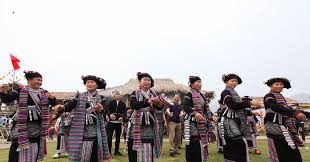
More than 80 years after the historic autumn of 1945, the ethnic villages in mountainous regions of Vietnam are experiencing remarkable changes. The spirit of the August Revolution is still alive, driving communities to embrace self-reliance and a desire for development, aiming for a prosperous and happy life.
The autumn of 1945 is a sacred milestone in Vietnamese history, marking the success of the August Revolution. This event ushered in an era of national independence and laid the foundation for building a fair and progressive society. For ethnic minorities, this victory opened a new chapter, allowing them to live, work, and develop in a unified and independent nation.
In the past, many highland villages faced challenges related to transportation, production, education, and healthcare. Today, new roads are connecting these villages to economic and social centers, providing residents with better access to healthcare, education, and markets. The government's ethnic policies have been implemented over various stages, focusing on addressing fundamental issues and creating comprehensive development opportunities for ethnic minority regions.
Recent years have seen a shift in mindset among local communities, where residents are taking proactive steps to harness their potential and advantages for economic growth. From agriculture to community tourism and traditional crafts, new models are emerging that provide livelihoods and improve incomes for the people.
The development of ethnic minority regions is not solely measured by economic indicators but also by the ability to preserve and promote cultural values handed down through generations. Each village is a unique cultural space with its own language, writing, festivals, crafts, and customs. Many localities are integrating cultural preservation with community tourism, creating new livelihoods for residents.
The journey from the August Revolution of 1945 to the modern transformed villages today is one of trust, unity, and the aspiration for development. While significant achievements have been made, challenges remain, such as narrowing the development gap between regions, improving human resource quality, and preserving culture in the face of globalization and climate change.
This requires a new approach to developing ethnic minority and mountainous regions, focusing on people, empowering communities, and harmonizing economic development with cultural preservation. Today, villages are not merely seen as areas needing support but are increasingly recognized as spaces rich in potential, with unique values in terms of people, culture, resources, and landscapes.
More than eighty years ago, the August Revolution ignited the strength of unity and the right of the Vietnamese people to govern themselves. Today, that spirit is reflected in every new road, production model, and classroom, as well as in the aspirations of each village. As community strengths are awakened and cultural values are promoted, ethnic minority regions will continue to play a vital role in building a prosperous and culturally rich Vietnam.