Samsung Unveils Galaxy Z Fold 8 Ultra: Key Features and Pricing
Samsung has officially announced the Galaxy Z Fold 8 Ultra, the latest addition to its foldable smartphone
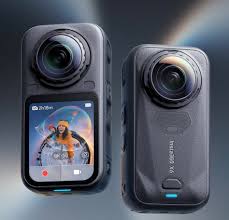
Insta360 has recently unveiled its latest flagship 360 camera, the X6, priced at $699.99, marking a significant step in its expansion into the U.S. market. The launch comes at a time when its rival, DJI, is encountering growing restrictions that complicate its ability to introduce new products in the United States. This dynamic raises questions about whether Insta360 can capitalize on DJI's challenges to gain a stronger foothold in the market.
The X6 is described by Insta360 as its most advanced 360 camera to date, boasting features such as native 8K video recording at 50 frames per second and dual Sony sensors for enhanced imaging. The camera allows users to capture a full 360-degree scene and offers various modes, including flat 4K video and conventional action camera functionality. With the integration of artificial intelligence, the X6 can analyze footage and create edited clips automatically while charging, showcasing a significant leap in technology.
In contrast, DJI has introduced the Osmo 360 II, but has not announced U.S. availability, highlighting the difficulties it faces due to regulatory barriers. The Federal Communications Commission (FCC) has placed DJI under scrutiny, affecting its ability to launch new imaging products, including cameras that fall under the broader restrictions on foreign-produced equipment. This situation has created a unique opportunity for Insta360, which is not subject to the same company-specific restrictions.
As both companies expand their product lines, competition has intensified, leading to legal disputes over patent infringements. Although both companies have withdrawn their U.S. patent cases, the rivalry continues in China, with overlapping technologies in imaging and stabilization systems. This legal backdrop underscores the competitive landscape as Insta360 also ventures into the drone market with its Antigravity brand, further challenging DJI's traditional stronghold.
While there is no concrete evidence yet that Insta360 has gained market share due to DJI's regulatory issues, the potential for a shift in consumer demand is apparent. As U.S. policies aim to reduce reliance on foreign drone technology, they may inadvertently benefit another Chinese company like Insta360 rather than American manufacturers. This scenario illustrates the complexities of global technology markets and the unintended consequences of regulatory actions.
As both companies navigate their respective paths in the U.S. market, the contrasting situations of DJI and Insta360 highlight the evolving dynamics of competition in the tech industry. With Insta360's recent product launch and DJI's regulatory hurdles, the future of their rivalry remains uncertain, but it is clear that U.S. policy will play a crucial role in shaping their competition.