Samsung Galaxy Unpacked Event: Anticipating the Z Fold 8 Launch
Samsung is gearing up for its Galaxy Unpacked event, where it is expected to unveil the highly anticipated
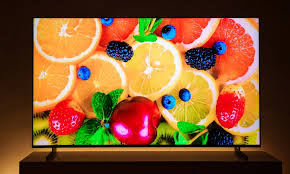
Samsung, LG, and TCL are taking distinctly different approaches to the premium TV market in Vietnam, setting the stage for an intense competition over display technology rather than just market share. According to data from a market research firm, Samsung, LG, and TCL held the top three TV market shares in Vietnam in 2025 in that order. Not only are they competing on sales, but the three are also locked in a technology race, each pouring resources into entirely different panel technologies at the top end of the market.
LG has remained committed to OLED for years, TCL continues to focus on mini LED backed by its manufacturing scale advantages, while Samsung is channeling its resources into micro RGB technology. Interestingly, all three brands also offer TVs using technology similar to their rivals', but in lower segments. A standard LED TV has only a few dozen local dimming zones, while a mini LED TV has thousands or even tens of thousands of them. This remains the best technology available on LCD TVs, as mini LED delivers superior dark area reproduction, a well-known weakness of LED backlit products compared to OLED. Mini LED, meanwhile, has the advantage of higher brightness and no risk of burn-in. This was once a technology Samsung pursued before switching to micro RGB in 2026.
TCL continues to invest in mini LED for two reasons. First, the company benefits from manufacturing scale, with its CSOT Generation 11 production line, using the latest technology, reserved exclusively for the C8L range and above, while OEM production for partners uses Generation 10 lines. The second reason behind TCL's confidence is the SQD-mini LED's ability to reproduce rich colors in the face of the RGB TV wave. The C8L is the only model using this panel that can display 100% of the BT.2020 color gamut, something previously achievable only by premium micro RGB TVs. Samsung and LG models reach 98-100% in this regard. This result is due to TCL adding its new super QLED quantum dot technology and an ultra color filter panel.
SQD-mini LED also represents TCL's advancement in improving mini LED's local dimming control, with precise dimming zones that increase contrast and deliver deeper blacks. The maximum number of local dimming zones exceeds 4,000, which is four times more than current near-premium mini LED models of the same size. The newly launched 2026 C8L comes with several other premium features including a peak brightness of 6,000 nits and a 144 Hz refresh rate. It has an ultra-thin alloy bezel design and a Bang & Olufsen speaker system. However, its pricing is notably higher than the company's previous premium offerings, reaching up to VND150 million (US$5,700) for the 98-inch version, with other size options starting at VND38 million.
LG remains loyal to OLED but is constantly refining its technology. Despite Samsung entering the OLED TV market in recent years, LG is still the first brand most people think of when buying an OLED TV. The company held a 62.5% share of the OLED TV market in 2025, according to a German market research firm. OLED is considered the gold standard for picture quality in commercial TVs. This organic light-emitting diode technology consists of pixels capable of self-illumination, delivering perfect black wherever needed.
LG has been continuously improving OLED brightness over the past four years. The C, G, and most recently W series now achieve brightness levels close to LED TVs. LG's top-of-the-line model this year, the W6, delivers brightness 3.9 times higher than its predecessor at a peak of 4,500 nits, certified for enhanced anti-reflection. This allows it to reduce glare while maintaining light transmittance compared to matte screen technology.
Samsung has pioneered micro RGB technology, focusing on it for its highest-end consumer TVs in 2026. This breakthrough technology for backlit TVs replaces basic white LED bulbs with RGB LEDs, significantly enhancing color accuracy and widening the color gamut. The R95H is the first TV to achieve 100% of the BT.2020 color gamut standard. Samsung's 2026 TVs also incorporate software changes, integrating multiple AI platforms for enhanced user experience.