Ecommerce platforms become most efficient sales channel amidst pandemic
HCMC - After six months of being upgraded and repaired, the first phase of Runway 1B at the Hanoi-based Noi
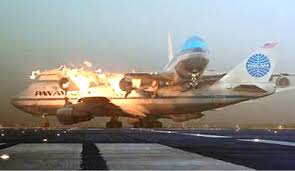
On March 27, 1977, a tragic series of events led to the deadliest aviation disaster in history at Los Rodeos Airport on the island of Tenerife, part of the Canary Islands. Two Boeing 747 aircraft, one operated by KLM and the other by Pan American World Airways, collided on the runway in thick fog, resulting in the loss of 583 lives.
The disaster was precipitated by an unexpected closure of Gran Canaria Airport due to a terrorist bombing, forcing both flights to divert to the smaller and less equipped Los Rodeos Airport. This airport quickly became overcrowded, with aircraft parked on the taxiways and the runway. As the weather deteriorated, dense fog enveloped the area, reducing visibility to under 300 meters.
Air traffic control, unable to see the aircraft, instructed them to taxi on the runway due to blocked taxiways. KLM Flight 4805, commanded by experienced Captain Jacob Veldhuyzen van Zanten, moved to the end of the runway and awaited clearance. Meanwhile, Pan Am Flight 1736, piloted by Captain Victor Grubbs, was directed to taxi to a different exit to allow KLM to take off.
In the thick fog, Pan Am missed the designated exit and continued onto the runway. As KLM prepared for takeoff, Captain van Zanten mistakenly believed they had received clearance. Despite warnings from his co-pilot, he initiated takeoff. Simultaneously, the Pan Am crew radioed that they were still on the runway, but miscommunication led to confusion.
Within moments, KLM's aircraft barreled down the runway, colliding with Pan Am's plane. The impact was catastrophic, resulting in an explosion that destroyed both aircraft. All 248 passengers and crew aboard the KLM flight perished instantly, while 335 on the Pan Am flight lost their lives, leaving only 61 survivors.
The Tenerife disaster prompted significant changes in aviation safety protocols. Investigations revealed that the primary causes were the rush of the KLM captain, psychological barriers preventing crew from challenging decisions, and inadequate communication procedures. In the aftermath, the aviation industry implemented standardized communication protocols and introduced Crew Resource Management (CRM) training, emphasizing open communication among flight crews to enhance safety.