Heightened Awareness that Resilient Supply Chain More Than Just Operational and Cost Efficiency
As global supply chains continue to experience disruptions since the outbreak of COVID-19, companies are
In light of the recent investigation initiated by the United States under Section 301 of the Trade Act of 1974, Vietnamese businesses are facing increasing pressure to enhance transparency in their supply chains. This investigation, announced by the US President on July 23, 2026, targets 60 economies and focuses on countries that have not effectively implemented bans on the importation of goods produced, in whole or in part, by forced labor.
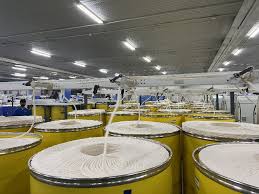
As a result, the need for improved traceability and transparency in supply chains is no longer a voluntary choice for Vietnamese enterprises but a necessity for survival. This is especially critical for sectors like textiles, where identifying the origins of cotton, fibers, yarns, fabrics, dyes, and other materials is essential.
Businesses must adapt to these evolving legal frameworks and market expectations to mitigate risks and safeguard their export shares. The emphasis on supply chain integrity not only aligns with international standards but also enhances the reputation of Vietnamese products in the global market.
Furthermore, the increasing scrutiny from US authorities necessitates that Vietnamese companies invest in robust tracking systems and compliance measures. This proactive approach will help them navigate the complexities of international trade and maintain competitiveness in an increasingly regulated environment.
In conclusion, the call for enhanced supply chain transparency is a critical step for Vietnamese businesses to ensure compliance with international laws and to secure their position in the global marketplace.