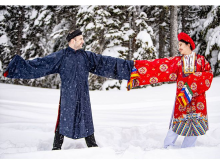
MC Dai Nghia Embraces Single Life and Surprising Decision at 48
Popular Vietnamese artist Dai Nghia has chosen a life of solitude and meditation as he approaches his 48th
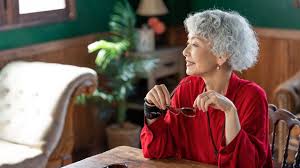
In Japan, the perception of solitude among the elderly has evolved dramatically. Rather than seeing it as a last resort when family members are unavailable, many seniors now embrace living alone as a conscious lifestyle choice. This shift is highlighted by a decade-long survey conducted by the Hakuhodo Institute of Life and Living, which has been tracking the longevity and lifestyle of individuals aged 60 to 74 since 1986.
The findings reveal that life expectancy has significantly increased over the years. In 1986, the average life expectancy for women was 80.93 years and for men, it was 75.23 years. By 2024, these figures have risen to 87.13 years for women and 81.09 years for men. This increase in longevity correlates with a growing preference for solitude among the elderly.
Interestingly, the survey indicates a notable decline in the desire to live with family. Over the past 40 years, the percentage of respondents wishing to cohabit with family members has decreased by 20.1%. Similarly, participation in community groups has dropped by 19.7%, suggesting a weakening of ties with both family and local communities.
Conversely, the trend of enjoying life alone is becoming more pronounced. Approximately 66.4% of respondents reported spending more time alone than with friends, and 48.6% expressed a preference for dining out or visiting bars solo—three times more than four decades ago. This reflects a growing inclination among the elderly to savor life at their own pace, rather than feeling obligated to engage in social activities with others.
The survey also revealed that 48.3% of women and 30.4% of men agree with the concept of 'sotsukon,' which translates to 'graduation from marriage.' This notion underscores a cultural shift towards valuing personal independence and individuality over traditional views of marital bonds.