Allegations of Exam Cheating Emerge in Quang Tri
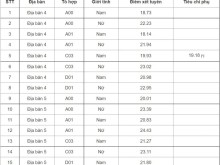
New allegations of cheating during the high school graduation exam have surfaced in Quang Tri, following a

The integrity of Vietnam's high school graduation exams has come under scrutiny due to rising allegations of fraud. Following each exam period, numerous reports of suspected cheating surface on social media or are submitted to authorities. However, according to testing experts, these allegations merely serve as a starting point for investigations and should not be viewed as conclusive evidence of violations.
Once the exams conclude, the absence of surveillance cameras and the dissolution of exam rooms complicate the verification of claims. Experts stress that while it is crucial to accept and investigate allegations of misconduct, distinguishing between the right to report and the basis for concluding violations is essential.
In the wake of the exams, social media often buzzes with reports of suspected cheating. Decisions affecting students' rights must be grounded in objective, verifiable evidence, a principle widely recognized in modern governance. This is especially critical in testing, as the outcomes can directly impact students' educational and career opportunities.
The challenge lies in the fact that once the exam is over, the physical evidence may be minimal, and any infractions typically occur within a brief timeframe, leaving little trace. Without independent evidence, the verification process relies heavily on conflicting testimonies from involved parties, making it difficult for exam boards to ascertain the truth.
Time also diminishes the reliability of testimonies, as memories may fade or become distorted after the exam. If authorities act solely on allegations without objective evidence, the risk of wrongful accusations increases, undermining public trust in the examination process.
Conversely, ignoring all allegations could compromise the integrity of the testing regulations. Thus, the best approach is to acknowledge all reports while ensuring that disciplinary actions are taken only after thorough verification.
To enhance the credibility of the examination process, it is vital to establish mechanisms for evidence collection during the exams. Invigilators should document any irregularities promptly and gather necessary evidence at the time of the incident. Additionally, clear regulations for handling post-exam allegations should be established, ensuring they are treated seriously but only as preliminary grounds for investigation.
Long-term solutions may include improving evidence-gathering methods, enhancing the quality of documentation, and training invigilators in recognizing and addressing issues effectively. In response to recent cheating incidents, authorities in Tuyen Quang have proposed installing surveillance cameras in exam rooms for future tests, although current regulations do not permit this.
As allegations of cheating continue to emerge from various regions, including Quang Ninh and Phu Tho, the Ministry of Education and Training is under pressure to ensure fairness and transparency in the examination process. The ongoing scrutiny reflects a growing public concern regarding the integrity of educational assessments in Vietnam.