Oreshnik Missile: Russia's Strategic Deterrent to the West
The introduction of the Oreshnik medium-range ballistic missile is seen as a strategic move by Russia, aimed
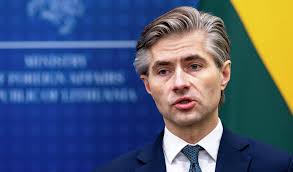
The Lithuanian Foreign Minister, Gabrielius Landsbergis, has publicly expressed his frustration with the European Union's efforts to counteract Russia's influence and actions. In a recent statement, he pointed out that the EU's attempts to 'squeeze' Russia have not been successful, leading to a sense of disappointment among member states, particularly those in Eastern Europe.
Landsbergis emphasized that the ongoing geopolitical tensions and Russia's aggressive posture require a more robust and unified response from the EU. He noted that the current measures in place are insufficient to deter Russia's actions, which continue to pose a significant threat to regional stability.
His remarks come amid escalating concerns over Russia's military activities and its impact on neighboring countries. Landsbergis urged EU leaders to reconsider their strategies and adopt a more proactive approach to ensure that the bloc remains resilient against external pressures.
As Lithuania has been one of the most vocal critics of Russia within the EU, Landsbergis's comments reflect a broader sentiment among Eastern European nations that feel particularly vulnerable to Russian aggression. The minister's call for a reevaluation of the EU's tactics highlights the ongoing debate within the bloc regarding the best way to handle relations with Moscow.
In conclusion, the Lithuanian Foreign Minister's dissatisfaction underscores the urgency for the EU to strengthen its stance against Russia and to foster greater solidarity among member states to effectively address the challenges posed by the Kremlin.