What is Tether (USDT)? The most widely adopted stablecoins
Cryptocurrency is constantly in the news as well-known financial institutions and companies add Bitcoin to
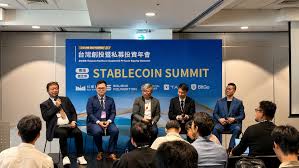
The landscape of financial transactions in Taiwan is set to change significantly with the recent passage of the Virtual Asset Service Act, which paves the way for the use of stablecoins in business operations. During the Stablecoin Summit held on July 8, 2026, prominent figures from leading banks and financial institutions convened to discuss the implications of this new law and how it will affect corporate finance.
As the regulatory framework becomes clearer, institutions like China Trust Bank, Taiwan Mobile, and O-Bank are preparing to embrace stablecoins such as USDT (Tether) and USDC (USD Coin) for transactions. This shift is expected to streamline payment processes and enhance the efficiency of cross-border transactions, particularly for businesses dealing with emerging markets where traditional banking may face challenges.
During the summit, key speakers highlighted the importance of compliance and risk management in the adoption of stablecoins. Lee Yueh from China Trust Bank emphasized that the new guidelines provide a much-needed framework for businesses to follow, reducing the uncertainty previously associated with handling stablecoins. He noted that the demand for stablecoin transactions is rising, especially among companies engaged in international trade.
Chris from KPMG pointed out that the new regulations would allow stablecoins to be recognized as cash equivalents on balance sheets, enhancing their relevance in corporate finance. This change is crucial as it aligns with global trends in financial management, where companies are increasingly looking to optimize their cash management strategies.
Moreover, Nicholas from O-Bank discussed the potential for banks to develop new profit models around stablecoin services, such as wealth management and custodial services. The ability to offer these services could significantly enhance the attractiveness of stablecoins to businesses, encouraging broader adoption.
Luke from Taiwan Mobile also highlighted the future opportunities for financial products that could emerge as stablecoins become integrated into the corporate financial ecosystem. He noted that as companies become more familiar with stablecoins, they may explore innovative financial instruments, including tokenized money market funds.
As Taiwan prepares to embrace this new era of stablecoin payments, industry leaders are optimistic about the potential benefits for businesses. The regulatory framework is expected to evolve, allowing companies to leverage stablecoins effectively while ensuring compliance with financial regulations. The message from the summit was clear: businesses must start preparing now to take advantage of the opportunities that stablecoins present.