HCM City gets green light to trial electric buses
HCM City has received approval from the Government to operate electric buses on regular public routes.
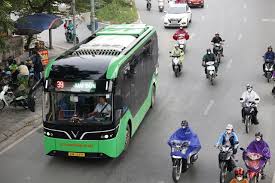
Vietnam is undergoing a significant transformation in its public transportation system, particularly in the adoption of electric buses. As of July 8, 2026, Ho Chi Minh City has officially launched the 16th electric bus route, connecting Chợ Lớn bus station to Tân Phú bus station, bringing the total number of electric bus routes in the city to 89. This new route operates with 12 electric buses daily from 5 AM to 7 PM, providing a clean and quiet alternative to traditional diesel-powered buses.
Currently, Ho Chi Minh City boasts a fleet of 2,453 buses, with 1,416 of them being electric, accounting for over 50% of the total. When combined with the 21 routes using compressed natural gas (CNG), the city has achieved more than 60% of its bus fleet operating on clean energy. This rapid transition is particularly impressive considering that just four years ago, in 2022, there was only one electric bus route in operation.
The city aims to have 100% of its provincial buses running on electric or environmentally friendly energy by the end of 2026. From 2027 to 2028, plans are in place to convert CNG buses to electric, striving for a complete electric bus fleet by January 1, 2029. This ambitious plan is supported by special policies under Resolution 98 of the National Assembly, which allows companies to borrow up to 85% of the investment cost for electric buses at a fixed interest rate of 3% over seven years.
Hanoi is also making strides in this green initiative, having introduced 10 new electric bus routes in April, with a total of 39 electric bus routes now operational. The capital city has 822 green buses, representing 42.1% of its total bus fleet. Both cities are working towards reducing emissions and enhancing public transport efficiency through substantial investments in electric bus infrastructure.
This global trend towards electric buses is not limited to Vietnam. In Europe, the Netherlands has approved a €70 million financial package to accelerate the green transition, aiming for 100% emission-free public buses by 2030. Similarly, in India, the state of Gujarat has introduced 70 electric buses and plans to add 280 more by 2026 to combat urban air pollution.
In North America, substantial funding from the Infrastructure Act is being allocated to support local governments in transitioning to electric buses, with a goal of reducing transportation emissions by 50% by 2030. These initiatives reflect a worldwide movement towards sustainable urban transport solutions, with electric buses at the forefront.
As Vietnam continues to implement supportive policies and infrastructure investments, the electric bus revolution is set to reshape the future of urban transportation, making it cleaner and more efficient for generations to come.