New Residency and Identity Card Regulations Effective from July 1
New regulations regarding residency and identity cards in Vietnam will come into effect on July 1. These
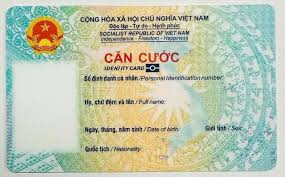
As of July 1, 2026, new regulations concerning national ID cards have been officially implemented in Vietnam. These changes are part of a broader reform aimed at streamlining administrative procedures and enhancing electronic identification services.
The updated National ID Law introduces the VNeID application, which allows for electronic identification and verification in administrative procedures, public services, and other electronic transactions. This application is expected to facilitate easier access to government services for citizens.
One significant change is the prohibition against requiring citizens to present documents that are integrated into their electronic ID cards for administrative purposes, unless there is a discrepancy in the information provided. This aims to simplify processes and reduce the burden on citizens.
The law also outlines new procedures for renewing or replacing ID cards. Individuals whose ID information changes due to administrative restructuring, those who have lost their ID cards, or those with damaged cards can now apply for replacements online via the national identification application or in person at designated offices.
Additionally, the regulations state that children under six years old can be registered for permanent residency without the consent of the household owner. This provision is designed to ensure that young children have access to essential services and rights, including health care and education.
The law emphasizes the importance of maintaining accurate residency records and includes penalties for those who attempt to register residency without actually residing at the declared address. This is particularly relevant for temporary or permanent residency registrations.
Furthermore, the law mandates that any overnight guests must be reported to the local authorities by the host or the guest themselves, ensuring compliance with residency regulations.
These new regulations represent a significant shift in the management of national identification and residency in Vietnam, aimed at improving efficiency and accessibility for citizens.