Reasons Why Many Vietnamese Don't Buy Cars at The Beginning of The Year
After the Lunar New Year holidays, many people in Vietnam tend to choose investment channels over buying
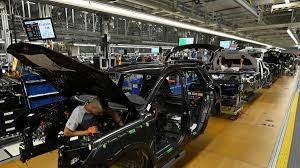
German luxury car manufacturers are facing a challenging landscape as they navigate cost-cutting measures and declining sales. Porsche, in particular, is in the midst of negotiations for a second cost reduction package with its union, as CEO Michael Leiters aims to clarify the company's direction before the summer break in July. The brand has already announced a reduction of 1,900 jobs following a previous layoff of 2,000 temporary workers in 2025.
Leiters, who took over as CEO in January, has set a goal to produce fewer vehicles than the 280,000 sold last year, emphasizing the need for profitability despite lower production volumes. The company's stock has plummeted by more than half since its IPO in 2022, and its operating profit fell by a staggering 98% last year, leaving it with just 90 million euros (approximately 105 million USD).
In addition to these challenges, Porsche has reported a loss of 3.1 billion USD due to a poorly timed transition to electric vehicles. Investors are growing increasingly impatient, with major shareholder Deka Investment calling for a clear strategy from Leiters, particularly focusing on cost-cutting measures.
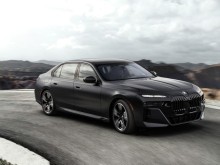
Meanwhile, BMW is also preparing for negotiations with its union after issuing a profit warning last week. The company has seen its stock drop to a nearly six-year low, with a year-to-date decline of over 37%. This marks the third consecutive year that BMW has issued a profit warning, attributed in part to reduced consumption in China and rising costs due to geopolitical conflicts.
Despite these immediate challenges, analysts remain optimistic about the long-term recovery of luxury car brands like Porsche. Experts believe that Porsche customers tend to remain loyal to the brand, unlike buyers of mass-market vehicles who may easily switch to competitors. BMW's flexible technology development strategy and increased production at its Spartanburg plant in the U.S. are seen as advantageous in mitigating the impact of tariffs and market fluctuations.
As the luxury car market faces increased competition from Chinese manufacturers like BYD and Xiaomi, along with global economic uncertainties, the road to recovery remains fraught with challenges. However, industry experts anticipate that established luxury brands will recover more swiftly than their mass-market counterparts.