Inventory of Condominiums Surges Nearly Fourfold
The inventory of unsold condominiums in Vietnam has surged to over 12,800 units in the second quarter,
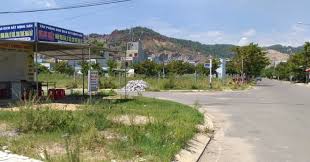
The real estate market in Da Nang has experienced a significant surge in land transactions, with activity increasing eightfold compared to the previous month. Despite this spike, the overall market continues to face substantial inventory pressure and low liquidity, according to a report from DKRA Consulting.
In July, the land segment recorded a total of 1,547 primary lots from 16 projects, marking a 3.5% increase from the previous month. The consumption rate reached 42 lots, which is an impressive eightfold increase from June. However, this surge in transactions does not indicate a full recovery for the land market, as the consumption rate still stands at only about 3% of the total supply, with a staggering 96% of the primary supply consisting of unsold inventory from previously launched projects.
Liquidity remains concentrated in newly launched projects, which accounted for approximately 85.7% of the total consumption. The primary prices for land lots have remained stable compared to the previous month, but there has been an average price decrease of around 7% compared to the same period in 2025. This decline is largely attributed to developers adjusting prices, increasing discounts, and implementing promotional policies to stimulate sales.
In the secondary market, prices have not shown significant fluctuations, but liquidity continues to struggle due to high interest rates. The apartment segment also reflects an increase in supply, yet demand has not kept pace. The primary supply rose by 30% compared to the previous month, but over 66% of this is still unsold inventory from earlier projects, indicating a limited actual new supply.
The consumption of apartments remains low, primarily concentrated in newly launched projects, which account for over 77% of total primary consumption. Grade A and Grade B apartments represent about 77% of the total supply, continuing to dominate the market. Primary prices have remained largely unchanged, while secondary prices have decreased by approximately 3%.
According to DKRA Consulting, some investors facing financial pressure are adjusting their selling prices lower than expected to recover capital, highlighting ongoing liquidity pressures in the secondary market. In the townhouses and villas segment, the market continues to lack new supply, with primary offerings not significantly changing and concentrated mainly in the Hai Van ward, which accounts for over 76% of total supply. New supply represents only about 1%, and demand has not improved, with consumption reaching only about 4% of total supply.
The prices for primary offerings remain relatively stable, while secondary prices continue to trend downward. Developers are maintaining sales policies to stimulate demand, but these efforts have not led to a noticeable change in liquidity. The resort real estate sector faces even more significant challenges, with a slight 1% decrease in the supply of resort villas compared to the previous month, although it has increased by 8% compared to the same period in 2025.
However, the market has not seen any new supply for over two months, and most of the existing inventory remains unsold. Liquidity continues to be low due to cautious investor sentiment amid high interest rates and controlled real estate credit. The Dien Ban Dong ward accounts for about 80% of the supply of resort villas, while all consumption in the month was concentrated in the Ngu Hanh Son ward.
Primary prices have remained unchanged, and liquidity support policies such as profit/revenue sharing, principal debt deferment, interest rate support, and payment schedule incentives continue to be applied. In the townhouse and resort shophouse segments, there were no transactions recorded during the month, with the supply mainly consisting of unsold inventory and new projects remaining absent.
Legal obstacles and prolonged implementation timelines have made investors cautious, pushing this segment into a near dormancy state. Condotels have also shown no signs of improvement, with primary supply only increasing by about 1% compared to the previous month, but over 99% of this is unsold inventory. Liquidity remains very low compared to 2019, with primary prices stable and various interest rate support policies, profit-sharing commitments, or revenue-sharing initiatives continuing to be utilized to stimulate demand.
The recovery of the tourism sector has not provided sufficient momentum for Da Nang's resort real estate market. Legal issues, construction delays, and underwhelming operational potential continue to pose significant barriers to the market. DKRA Consulting notes that in the short term, the resort segments do not show clear signs of recovery.