Bulls in Bitcoin futures market “Run for People”
Bitcoin perpetual swaps are the most liquid futures instrument, allowing traders to speculate on the price

Bitcoin has crossed the $72,000 mark, increasing by more than 3.5% within 24 hours and approximately 15% since the beginning of the week. This notable rise occurred during European trading on August 20, 2026, and is the first time Bitcoin has surpassed $71,000 since June, following a prolonged period of trading between $62,000 and $66,900.
The most remarkable aspect of this price increase is the scale of liquidations in the derivatives market. According to CoinGlass, the total value of short positions liquidated on August 19-20 reached around $3.4 billion, affecting over 193,000 investors. Bitcoin accounted for more than half of this amount, approximately $1.76 billion.
To close a short position, exchanges must buy back Bitcoin or corresponding futures contracts. This forced buying pressure continues to push prices higher, leading to the liquidation of additional short positions at higher price levels. This phenomenon creates a 'short squeeze,' compelling short-sellers to buy back assets as prices rise.
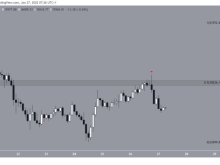
Bitcoin's price rose more than 8% within just an hour after breaking through a significant price range, indicating a clear mechanical increase: the price breached a crucial threshold, triggered liquidations, and then forced buying drove prices up even further.
Another factor contributing to this price surge is the recent developments in the U.S. bond market. The U.S. Treasury Department announced plans to increase the scale of its buyback of certain long-term government bonds, from a maximum of $2 billion to at least $4 billion for each operation, scheduled from September 9 to November 4. This news has led to a decrease in long-term bond yields, which typically puts pressure on riskier assets like technology stocks and Bitcoin due to increased capital costs.
Geoff Kendrick, an analyst at Standard Chartered, noted that the Treasury's actions are signals that Bitcoin usually responds positively to. He believes Bitcoin, with its limited supply, may benefit when the market anticipates liquidity support measures or reduced long-term interest rate pressures.
Kendrick highlighted that the $65,500 mark is a critical technical level. In his view, Bitcoin surpassing this level could reinforce the argument that the market has reached a bottom in the current cycle. Standard Chartered maintains its target for Bitcoin to reach $100,000 by the end of 2026.
In addition to macroeconomic factors, the market is also reacting positively to signals from U.S. regulatory policies. President Donald Trump has called on Congress to advance the CLARITY Act during a crypto event at the White House. He also mentioned the possibility of the U.S. purchasing significant amounts of Bitcoin and indicated that regulators are developing a compliance roadmap for Hyperliquid.
This information emerged after Bitcoin had already made substantial gains but helped solidify positive sentiment. Stocks related to crypto also rose alongside Bitcoin. Strategy, the largest publicly traded company holding Bitcoin, saw its shares increase by about 10% in pre-market trading after a 13% rise in the previous session. Coinbase, MARA Holdings, and Bullish also reported positive movements.
Bitcoin has surpassed its 200-day moving average, currently around $68,969. This average represents the closing price of Bitcoin over the last 200 trading sessions. Investors often use this indicator to assess long-term trends: prices above this line are generally viewed as more positive than those below it.
Additionally, Bitcoin has exceeded the average cost basis for short-term investors, approximately $67,138. This group includes wallets holding Bitcoin for less than 155 days. When Bitcoin's price is above their cost basis, most recent buyers enter a profit zone, which typically improves market sentiment.
The next key level monitored by some on-chain data is around $75,689, referred to as the True Market Mean. This indicator attempts to exclude lost or inactive Bitcoins over long periods to estimate the cost basis of actively participating investors. If Bitcoin can surpass and maintain this level, the overall market participants will likely return to a profit state.
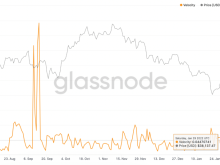
However, the price increase has also triggered profit-taking demands. CryptoQuant reported that short-term investors transferred a record approximately 43,300 BTC, which were in profit, to exchanges. This represents the largest profit-taking by this group in 2026.
The Short-Term Holder Profit Ratio (SOPR) reached 1.01, the highest since April. SOPR is the ratio of the selling price to the buying price of transferred Bitcoins. A SOPR above 1 indicates that most Bitcoins are being sold at prices higher than their previous purchase prices, meaning holders are realizing profits.
This situation reveals that the market is experiencing two opposing forces. On one side is the buying pressure from short liquidations, improved sentiment regarding policies, and enhanced bond conditions. On the other side is the influx of Bitcoin from newly profitable investors, reflecting a profit-taking trend following a strong price increase.
Bitcoin's rise above $72,000 and its recovery of crucial technical levels is a positive signal for price structure. However, the increased profit-taking suggests that the market may face supply pressure as prices continue to rise. The ability to maintain this upward momentum will depend on whether new buying pressure can sufficiently absorb the selling.