US Tech Stocks Rally Ahead of Earnings Season
US tech stocks are showing signs of recovery as the earnings season approaches, with the S&P 500 nearing

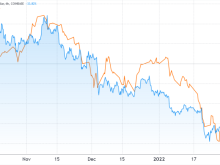
The Nasdaq 100 Volatility Index, known as VXN, closed at 26.91 on July 9, 2026, according to data from the Federal Reserve Bank of St. Louis. In contrast, the CBOE Volatility Index, or VIX, traded at approximately 15 during the same period. This created a substantial spread of 11.8 points between the two indices, highlighting a significant divergence in market volatility.
This discrepancy can be attributed to the concentration within the Nasdaq 100, which is heavily weighted towards technology stocks. As a result, the volatility reflected in the VXN is indicative of the heightened uncertainty surrounding these stocks, while the VIX appears to be more stable. Investors looking to engage in option-income strategies that focus on Nasdaq exposure should be aware that the current premium available is a result of this unusual dislocation, rather than a standard market condition that is likely to persist.
Understanding these dynamics is crucial for investors, particularly those who are income-focused. The current market conditions present unique opportunities and risks, and it is essential to evaluate the implications of the volatility spread when considering investment strategies. Infrastructure Capital Advisors, a leading provider of investment management solutions, emphasizes the importance of recognizing these trends in the context of broader market movements.
As the market evolves, staying informed about volatility indices and their implications for investment strategies will be key for navigating the complex landscape of options trading.