Enhancing Supply Chain Transparency Amid US Market Demands
In response to new demands from the US market, Vietnamese businesses are prioritizing supply chain
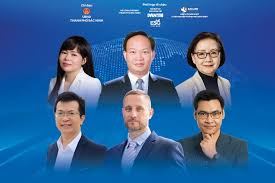
As Vietnam continues to draw significant foreign investment, especially in high-tech sectors like electronics and semiconductors, Gernot Fattinger, Vice President of Technology at Skyworks, has outlined three critical factors for Vietnamese companies to enhance their competitiveness in the global supply chain: quality, reliability, and technical capability.
Fattinger shared his insights ahead of the Go Global Bac Ninh Forum scheduled for October 10, 2026, which focuses on enhancing capabilities, connecting supply chains, and market development. He stressed that moving beyond cost competition is essential for Vietnamese firms aiming to become preferred partners for international corporations.
According to Fattinger, the primary opportunity for Vietnamese manufacturers lies in the ongoing global shift of technology supply chains towards Vietnam. With major global electronics and semiconductor companies establishing a presence in the country, local businesses have the chance to engage directly with top-tier clients.
To transition from contract manufacturing to higher-value positions in the global value chain, Vietnamese companies must leverage their unique strengths. Vietnam's strategic geographic location, stable political environment, skilled engineering workforce, and proximity to major production centers in the region are significant advantages.
Fattinger noted that added value does not come from being the cheapest supplier but from the ability to solve technical challenges, respond quickly to customer needs, deliver products on time, and maintain high-quality standards consistently. When Vietnamese firms earn the trust of their clients to collaboratively address challenges, they will naturally progress to higher-value roles in the global supply chain.
He also highlighted that while cost is an important factor, it rarely fosters long-term relationships. Clients prioritize trust in quality, delivery, and technical capability. Reliable delivery is crucial, as global companies typically do not rely on a single supplier; they prefer a diverse supply network to mitigate risks.
Furthermore, Fattinger emphasized the growing importance of environmental, social, and governance (ESG) criteria in global supply chains. Previously viewed as a competitive advantage, ESG compliance is now a requirement for companies wishing to participate in international supply chains. Global technology firms are increasingly concerned not only with the products produced but also with the processes behind their production.
For Vietnamese firms, adhering to ESG standards should not be seen merely as a customer requirement but as a foundation for building long-term trust. Businesses must comply with environmental regulations and labor safety standards while gradually aligning with global best practices.
In the next 3-5 years, Fattinger recommends that Vietnamese manufacturers focus on three core competencies: quality, reliable delivery, and technical capability. Quality is paramount in the electronics and semiconductor industries, as failure to meet quality standards can hinder progress in the global supply chain. Reliable delivery is also critical, as global companies value partners who can consistently meet deadlines.
Lastly, technical capability is vital for businesses to move beyond merely fulfilling customer requirements to actively solving technical issues and adding value. By focusing on these competencies, Vietnamese companies can strengthen their positions in the global supply chain and become trusted partners for international corporations.