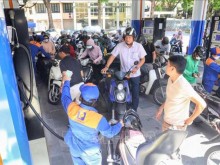
Vietnam's Ministry of Industry and Trade Announces Fuel Price Cuts
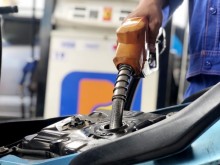
The Ministry of Industry and Trade in Vietnam has announced a reduction in fuel prices effective from 3 PM
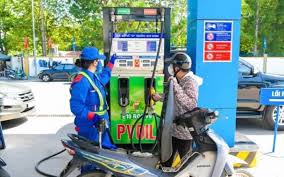
The Vietnamese government has decided to discontinue its weekly regulation of fuel prices, shifting the responsibility to businesses. This move is intended to ensure that fuel prices reflect market signals while maintaining supply security and energy stability.
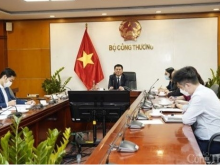
During a press conference held by the Ministry of Industry and Trade on October 7, Nguyen Thuy Hien, Deputy Director of the Domestic Market Management Department, explained that the draft decree on fuel business operations has been in development for about two years. This policy is expected to have a significant impact on the daily lives of citizens, production activities, and the economy as a whole.
The draft has undergone four rounds of feedback from government members and is currently being refined according to government directives. On September 30, the Ministry of Industry and Trade held a conference to gather opinions from relevant stakeholders, including businesses involved in the wholesale and retail of fuel.
Hien stated that the goal of the new pricing mechanism is to align fuel prices with market conditions while ensuring government oversight. Under the new system, businesses will have the authority to determine prices based on a formula set by the government, and they must disclose the components of their pricing and justify any changes to regulatory authorities.
A new database system for price management will be established by the Ministry of Industry and Trade to monitor and alert authorities to any irregularities in pricing practices. This system will help ensure transparency and accountability in price adjustments by businesses.
Hien emphasized that the government will no longer control fuel prices weekly. Instead, businesses will base their pricing on actual costs and sales transactions. When adjusting prices, companies must provide clear justifications for any changes, including fluctuations in input costs and profit margins.
Additionally, the draft decree proposes increasing the minimum supply requirement for fuel traders to 300,000 cubic meters per year. This measure aims to restructure the supply chain and enhance the capabilities of fuel trading companies. Currently, over half of the traders are expected to meet this new requirement, but they will be given two years to upgrade their facilities and distribution systems to comply.
The government is also addressing concerns that major traders might monopolize pricing. The draft allows both major and independent distributors to set their prices, promoting competition in the market. It is anticipated that this will lead to around 10,500 independent distributors being able to set their prices, increasing competition, especially in remote areas.
In light of ongoing geopolitical tensions affecting oil supply, Hien assured that the domestic fuel supply remains secure, with businesses closely monitoring total supply levels. The Ministry of Industry and Trade will continue to manage prices in line with global trends while utilizing stabilization measures as needed. The government is committed to ensuring that there is adequate fuel supply for production and business activities through the end of the year.