Investors Advised to Adapt Amid Stock Market Losses
As 2026 unfolds, many investors are facing significant losses in the stock market. Experts suggest that
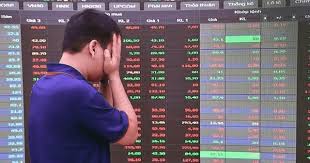
In a recent discussion, Nguyen Ngoc Linh, the CEO of DNSE, revealed that a shocking 95% of investors in Vietnam are experiencing losses and subsequently exiting the stock market. This alarming statistic highlights a recurring issue in the investment landscape, where emotional trading and the fear of missing out (FOMO) often dictate investor behavior.
During an event titled "Smart Investing in the Digital Age: Identifying Investment Opportunities through Funds," Linh emphasized that over the past 30 years, the Vietnamese stock market has seen a consistent pattern of investors succumbing to emotional cycles. She noted that many investors tend to follow trends without fully understanding their own investment objectives, leading to poor decision-making.
Currently, there are approximately 13.7 million stock accounts in Vietnam; however, after removing duplicates, it is estimated that only about 6% of the population is actively investing. Linh pointed out that financial assets represent a mere 9% of total household assets, with most wealth still tied up in real estate, savings, and gold, which are characterized by low liquidity.
Linh believes that this presents both a challenge and an opportunity for the market. She anticipates that in the next decade, with increased market participation, the percentage of the population engaging in financial investments could rise to between 30% and 40%. However, she cautioned that the increase in investor numbers does not necessarily correlate with improved investment behavior.
One of the critical issues Linh identified is the heavy focus on promoting high returns in investment products, which can lead to a narrow perspective among investors. Many are drawn to products with high yields without considering their own financial literacy and investment strategies, which can result in a lack of discipline and poor risk management.
As a result, when market fluctuations occur, investor confidence tends to wane significantly. Linh reiterated a common statistic that after significant market volatility, up to 95% of investors tend to leave the market. This disconnect between the number of new accounts being opened and the actual growth in managed assets underscores the need for a shift in how new investors are approached.
According to Linh, it is crucial to view investors holistically, considering their overall asset management and accumulation needs rather than merely the channels they are currently participating in, such as stocks or gold. In today's information-rich environment, the role of investment platforms should extend beyond providing data; they must also assist investors in developing personalized financial plans and actionable investment strategies.