UOB Raises Vietnam's GDP Growth Forecast to 8.5%
United Overseas Bank (UOB) has upgraded its GDP growth forecast for Vietnam to 8.5% for 2026, citing
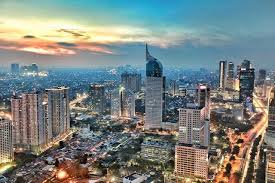
Indonesia, the largest economy in Southeast Asia, has announced a GDP growth of 5.29% for the second quarter of 2026, exceeding the forecast of 5.1% made by analysts at Reuters. This growth, while lower than the 5.61% recorded in the first quarter, highlights the resilience of Indonesia's economy amidst various challenges.
The growth in Q2 was primarily driven by expansions in the manufacturing, agriculture, and construction sectors. However, the mining sector faced a decline due to restrictions related to extraction quotas. Historically, Indonesia has maintained a growth rate of around 5% in most quarters since the COVID-19 pandemic, with economic activities typically peaking during the Eid holiday, which occurred in Q1 this year, contributing to the lower growth rate in Q2.
Despite the positive growth figures, Indonesia's economy is grappling with significant challenges. Investor concerns are mounting regarding government spending, especially as President Prabowo Subianto aims to boost economic growth to 8% by the end of the decade. Increased spending, particularly on priority programs and energy subsidies, may exert additional pressure on the national budget.
Furthermore, rising energy prices and conflicts in the Middle East have led the Indonesian government to increase fuel subsidies to mitigate impacts on consumers. Recent trade data also indicated that Indonesia has experienced a trade deficit for two consecutive months due to a surge in imports, which could further pressure the rupiah, especially in a volatile international capital market.
The Business Times noted that the Q2 growth results demonstrate Indonesia's ability to withstand economic pressures and grow faster than anticipated. However, maintaining a growth rate of around 5% will depend on how Indonesia balances its economic growth objectives with exchange rate stability and fiscal discipline.
In comparison, Vietnam's GDP growth for Q2 2026 was reported at 8.39%, reflecting a robust performance in the agricultural, industrial, and service sectors. The agricultural sector grew by 4.06%, contributing significantly to the overall economic growth, while the industrial and construction sectors saw an impressive increase of 10.51%.
As both countries navigate their economic landscapes, the contrasting growth rates highlight the varying challenges and opportunities present in Southeast Asia's economic environment.