Ukrainian Drones Target Omsk Oil Refinery in Major Strike
Ukrainian drones have successfully struck the Omsk oil refinery, Russia's largest, marking a significant
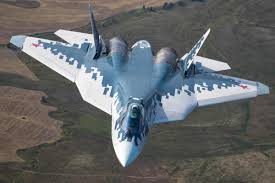
A recent incident involving a Russian Su-57 fighter jet has raised concerns about its operational effectiveness in combat situations. During a drone attack by Ukrainian forces on the Gazpromneft-ONPZ oil refinery in Omsk, the Su-57 was deployed, but there is no confirmed information indicating that it successfully shot down any drones. Reports suggest that the aircraft may have arrived in the area after the attack had already commenced.
In addition to the Su-57, an A-50U long-range early warning and control aircraft was also sent to respond to the drone threat. Despite the presence of these advanced military assets, Ukrainian drones managed to strike the oil refinery, highlighting potential gaps in the defense capabilities of the Russian military.
Notably, the configuration of the Su-57 during this incident drew attention. Traditionally, the design of the Su-57 emphasizes low radar visibility by housing most of its weapons in internal bays. However, in light of the drone threat, the Russian military has adapted the aircraft by adding external hardpoints for armament. This modification included the installation of a 101KS-N pod, which is used for electro-optical target designation, and R-74 short-range air-to-air guided missiles. These changes suggest a shift in focus to countering drone threats more effectively.
The incident raises significant questions about the capabilities of the Su-57 in real combat scenarios, particularly against evolving drone warfare tactics. As military technology continues to advance, the effectiveness of traditional fighter jets may need to be reevaluated.